:::::::::::::::::::::::::::::::::::::::::::::::::::::::::::::::::::::::::::::::::::::::::::::::::::::
Smell and Fragrance in Haiku
***** Location: Japan, worldwide
***** Season: Various, see below
***** Category: Humanity
*****************************
Explanation
The five senses, one of them : SMELL !
The simple use of the words SMELL or FRAGRANCE or AROMA
shows them as a TOPIC, not kigo for haiku.
ka, kaori 香り
smell, fragrance, aroma
smell, nioi 匂い
bad smell, kusai 臭い くさい
.................................................................................
MORE FRAGRANCE hokku by
. Matsuo Basho 松尾芭蕉 - Archives of the WKD .
Now
let us examine some fragrant kigo and haiku!
:::::::::::::::::::::::::::::::::::::::::::::::::::::::::::::::::::::::::::::::::::::::::::::::::::::
Kigo for Spring
fragrant bird, nioidori 匂鳥 においどり
fragrance of the plum blossoms, ume ga ka 梅が香
:::::::::::::::::::::::::::::::::::::::::::::::::::::::::::::::::::::::::::::::::::::::::::::::::::::
Kigo for Summer
. fragrance bag 匂い袋 nioibukuro
kakekoo 掛香 かけこう "hanging fragrance"
tagasode 誰袖(たがそで) fragrance to put in the sleeves (of a kimono)
kunoekoo, ku no e koo 薫衣香 (くのえこう) fragrance for summer robes
..... kunuekoo くぬえこう
..... kune koo 薫衣香(くんえこう)
..... hyakubo koo 百歩香(ひゃっぽこう)"100 steps incense"
kokuhoo (kuroboo) 黒方(こくほう) "black incense"
mildew smell, scent of mildew, kabi no ka 黴の香 のかかび
mosquito coil, katori senkoo 蚊取線香 かとりせんこう
a kind of incense coils everywhere used in Japan. Lately we even have battery-driven ones.
. katori koosui 蚊取香水(かとりこうすい)
perfume to ward off mosquitoes
perfume, koosui 香水 こうすい
..... oodikoron オーデコロン eau-de-Cologne, cologne
Kölnischwasser
rank weeds, kusa ikire 草熱れ, 草いきれ, くさいきれ
Late summer.
Refers to the oppressive smell steaming from the leaves in the summer heat.
. sachet, fragrance bag 匂い袋 nioibukuro
sweetfish, "fragrant fish" koogyo 香魚 こうぎょ
a kind of trout, Plecoglossus altivelia
:::::::::::::::::::::::::::::::::::::::::::::::::::::::::::::::::::::::::::::::::::::::::::::::::::::
Kigo for Autumn
fragrance of rice plants, ine no ka 稲の香, いねのか
scarecrow, kakashi 案山子 かかし
The word kakashi was once pronounced kagashi -- something foul-smelling -- and referred to burnt hides or rotten fish heads, the odor of which was counted upon to keep pests away.
University of Virginia Saijiki
*****************************
Worldwide use
*****************************
Things found on the way
Quote
Gary Snyder offers some insight in critiquing the assumptions of earlier nature writers:
There is an older sort of nature writing that might be seen as largely essays and writing from a human perspective, middle-class, middlebrow Euro-American. It has a rhetoric of beauty, harmony, and sublimity. . . Natural history writing [is] semi-scientific, objective, in the descriptive mode.
Both these sorts are "naively realistic" in that they unquestioningly accept the front-mounted bifocal human eye, the poor human sense of smell, and other characteristics of our species, plus the assumption that the mind can, without much self-examination, directly and objectively "know" whatever it looks at.
Kigo Versus Seasonal Reference in Haiku
by Richard Gilbert
:::::::::::::::::::::::::::::::::::::::::::::::::::::::::::::::::::::::::::::::::::::::::::::::::::::
Negoro Temple 根香寺
The Temple of the Fragrant Root
... The fragrance of this statue was so strong that it welled down with the river, Kagawa 香川, which later gave name to the whole province of Kagawa.
Read the full story
by Gabi Greve
*****************************
HAIKU
risshun ya tanuki no koi no nioi kana
.. .. .. .. .. First Spring Day !
.. .. .. .. .. the smell of badger's love
.. .. .. .. .. in the fields
Fruehlingsbeginn !
der Geruch von liebestollen Dachsen
in den Feldern
Gabi Greve
Read a little explanation here !
:::::::::::::::::::::::::::::::::::::::::::::::::::::::::::::::::::::::::::::::::::::::::::::::::::::
- - - - - Yosa Buson - - - - -

かけ香や幕湯の君に風さはる
kakekoo ya maku-yu no kimi ni kaze sawaru
hanging fragrance bag -
the lady behind the hot spring curtain
is touched by the breeze
春の夕(ゆふべ)絶えなむとする香(かう)をつぐ
haru no yuube taenamu to suru koo o tsugu
spring evening -
as the incense has almost burned down
they add some more
Tr. Gabi Greve
This is a scene from the Imperial Hall at the Heian court, 清涼殿 Seiyro-Den, where the ladies spend a soft evening.
. Buson and his Imperial Court poems .
....................................
伽羅くさき人の仮寝や朧月
kyarakusaki hito no karine ya oborozuki
the smell of kyara incense
while she takes a nap -
hazy spring moon
Tr. Gabi Greve
- - - - - Naotaka Uematsu remarks:
smelling rather BAD, or too strong.
Kyara is one of the valuable perfumes, but in Edo era the prostitutes in the Kuruwa pleasure quarters used them too much, like Chanel No.5.
...................................
等閑に香かく春の夕かな
naozari ni koo taku haru no yuube kana
casually
I burn some incense
in this spring night . . .
Tr. Gabi Greve
The cut marker KANA is at the end of line 3.
. Yosa Buson 与謝蕪村 in Edo .
:::::::::::::::::::::::::::::::::::::::::::::::::::::::::::::::::::::::::::::::::::::::::::::::::::::
Smell of soap and starch
white sheets
in the morning breeze.
Lanie Shanzyra P. Rebancos, Philippines
http://www.szirine.com/countrytemplate.php?id=89
:::::::::::::::::::::::::::::::::::::::::::::::::::::::::::::::::::::::::::::::::::::::::::::::::::::
仏間まで岩海苔匂ふ能登雑煮
butsuma made iwanori niū noto zōni
even into the prayer room
the seaweed smell wafts
from the Noto-style zooni soup
杉山郁夫 Sugiyama Ikuo
The hokuriku region in northern Japan is known for its devoutly religious character. Many houses have magnificent prayer rooms. The zōni soup recipe with fragrant seaweed is also something characteristic of the noto region. The smell pervades even the prayer room, bringing in the celebratory New Year's mood. This poem is heavily spiced with regionalism.
University of Virginia Saijiki
xxxxxxxxxxxxxxxxxxxxxxxxxxxxx
手花火の消えたる闇の匂ひかな
tehanabi no kietaru yami no nioi kana
sparks from fireworks
disappear in my hand—
oh the scent of darkness
斎藤蘆穗 Saitoo Roho
University of Virginia Saijiki
xxxxxxxxxxxxxxxxxxxxxxxxxxxxx
梅が香にのつと日の出る山路かな
ume ga ka ni notsuto hi no deru yamaji kana
fragrance of plums in the air --
in the distance on the mountain path
the morning sun
芭蕉 Basho
... ... ...
梅が香やどなたが来ても欠茶碗
ume ga ka ya donata ga kitemo kakejawan
Oh the alluring scent of plum tree—
And yet was there to be any visitor, [I have] only
a broken tea cup.
一茶 Issa
University of Virginia Saijiki
xxxxxxxxxxxxxxxxxxxxxxxxxxxxx
ふるさとはよし夕月と鮎の香と
furusato wa yoshi yuuzuki to ayu no ka to
my hometown's
just fine -- the evening moon
the fragrance of sweetfish
桂信子Katsura Nobuko
When sweetfish is grilled it gives off a pleasant aroma. The poet returns to her hometown, near the Nagara River (長良川), and takes comfort in the abundance of cooked sweetfish. The evening moon is fine. The smell of the fish is fine, too. Both have strong associations with the longing for home and the pleasures of being there again.
University of Virginia Saijiki
xxxxxxxxxxxxxxxxxxxxxxxxxxxxx
湿り香の大陽を置き春田鋤く
shimeri ka no taiyoo o oki haruta suku
ignoring the sun's
damp aroma -- I spade
the spring paddy
佐藤鬼房 Satoo Onifusa (Sato Onifusa)
University of Virginia Saijiki
xxxxxxxxxxxxxxxxxxxxxxxxxxxxx
桃青忌夜は人の香のうすれけり
toosei-ki yo wa hito no ka no usurekeri
Peach Green Anniversary
at night people's scent
has grown faint
飯田蛇笏 Iida Dakotsu
University of Virginia Saijiki
WKD : Basho Memorial Day
:::::::::::::::::::::::::::::::::::::::::::::::::::::::::::::::::::::::::::::::::::::::::::::::::::::
sake kusaki tasogare goro ya kiku no hana
the smell of sake
around about dusk...
chrysanthemum
Issa
xxxxxxxxxxxxxxxxxxxxxxxxxxxxx
Jizoo Bon arashi no ato no kusa no koo ni
Jizo Bon Festival -
the smell of weeds
after the storm
Oono Rinka
More about the Jizo Bon Festival
:::::::::::::::::::::::::::::::::::::::::::::::::::::::::::::::::::::::::::::::::::::::::::::::::::::
Some haiku by Gabi Greve
Chandrika soap -
the smell of India
in my Japanese bath
http://happyhaiku.blogspot.com/2006/09/chandrika-soap.html
焼きたての パンの匂いや! 梅雨晴れ間
yakitate no pan no nioi ya tsuyu harema
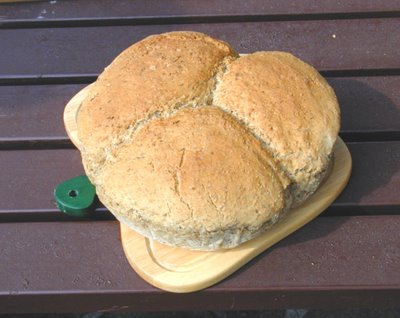
the smell of
freshly baked bread -
a break in the rainy season
http://happyhaiku.blogspot.com/2006/06/fresh-bread.html
hot waterfall -
the smell of foul eggs
all the way home
More is here !
ame no oto ame no nioi no gokan kana
sound of rain
smell of rain -
the five senses
closing my eyes -
so much spring to
smell and hear
Kannon Lily -
the smell of Buddha
everywhere
http://happyhaiku.blogspot.com/2004/10/kannon-lily.html
I will spare you the smell that goes with this haiku ...
shoveling horse manure
to the summer fields -
Horseheaded Kannon
http://happyhaiku.blogspot.com/2005/05/horseheaded-kannon.html
My cat is talking now:
quince in full bloom -
I just love the smellof that
Siamese tomcat
http://happyhaiku.blogspot.com/2005/04/cats-in-paradise.html
natsu booshi / naki chichi no ko / ima mo nao
summer hat -
the smell of my late father
still lingering
published in Go-Shichi-Go of 18 May 2004, Yomiuri Shinbun
http://groups.yahoo.com/group/happyhaiku/message/784
monsoon shower -
the smell of Bombay
in our hair
Monsoon ..
.....
sora wa haru tsuchi ni wa tsuchi no nioi kana
spring in the air
earth smelling of
earth again
Fruehling in den Lueften
Erde riecht wieder
nach Erde
http://groups.yahoo.com/group/happyhaiku/message/25
:::::::::::::::::::::::::::::::::::::::::::::::::::::::::::::::::::::::::::::::::::::::::::::::::::::
and you...
a song passing through
fragrance
Shared by Louis Osofsky
Joys of Japan, February 2012
*****************************
Related words
***** Incense (India) senkoo (Japan)
including the famous haiku by Basho :
ran no ka ya choo no tsubasa ni takimono su
fragrance of orchids -
clings to the wings of a butterfly
like incense
Tr. Gabi Greve
MORE FRAGRANCE hokku by
. Matsuo Basho 松尾芭蕉 - Archives of the WKD .
:::::::::::::::::::::::::::::::::::::::::::::::::::::::::::::::::::::::::::::::::::::::::::::::::::::
[ . BACK to WORLDKIGO . TOP . ]
:::::::::::::::::::::::::::::::::::::::::::::::::::::::::::::::::::::::::::::::::::::::::::::::::::::


 Posts
Posts


2 comments:
street fair
smell of patchouli
on the price tag
--Megan Arkenberg
http://tinywords.com/haiku/2007/09/07
medieval town -
blinding smell
of the white acacia
Valeria Simonova-Cecon
:)
Valeria Simonova-Cecon, Russian residing now in Cividale with her husband, Italian haijin Andrea Cecon
Post a Comment