12/31/2014

WELCOME to HAIKU TOPICS !

[ . BACK to Worldkigo TOP . ]

:::::::::::::::::::::::::::::::::::::::::::::::::::::::::::::::::::::::::::::::::::::::::::::::::::::

....................... Welcome to the
Haiku Topics of the World Kigo Database!

:::::::::::::::::::::::::::::::::::::::::::::::::::::::::::::::::::::::::::::::::::::::::::::::::::::


. WKD : LIST of our Haiku Topics  


. Haiku Theory Archives .


:::::::::::::::::::::::::::::::::::::::::::::::::::::::::::::::::::::::::::::::::::::::::::::::::::::


Words with no explicit seasonal context used in haiku have been labeled in many ways:

keywords, non-seasonal topics, all-season topics,
miscellaneous haiku: zakku 雑句; zappai 雑俳
haiku without a season word : muki, mu-ki, muki no ku, muki haiku
無季, 無季の句, 無季俳句 ...
"free format haiku" as used by the Shiki Monthly Kukai

context-setting words, cultural keywords (like place names, personal names etc)

... problematic terms (these should NOT be used):
all season kigo, all year kigo (!), quite a contradiction in terms,
since KI 季 means season.
all season nature word
... "muki kigo" "no-season season word", "seasonless season word"
"muki-kigo" "non-season season word" (!) ...

nature words


... add your definition ... :o)


A word of caution:
Words introduced in ALL YEAR or MISCELLANEOUS sections of a saijiki are not kigo, but all-year haiku topics.

Here is a discussion about the use of "all year haiku topics",
NOT "all year kigo", listed in "Haiku World" :
non-seasonal topics by Bill Higginson

.................................................................................


Any word can become a topic for haiku, if used by a poet.
They can be further classified by the seven categories of haiku.

There are no exclusive lists for topics.

The topics featured in this WKD are only the tip of an iceberg,
when I find time to collect them.

Pleaese send me a note
if you want to contribute a topic from your region.


.................................................................................


non-seasonal topic
not to mix with

. kidai 季題 seasonal topic .
kisetsu no dai 季節の題

.................................................................................


An allusion
is a reference to, or representation of, a place, event, literary work, myth, or work of art, either directly or by implication.

. CULTURAL KEYWORDS  
place names and allusion used in haiku


.................................................................................


.. .. .. .. .. .. .. General Items

.. Check the Latest Additions ..


KIGO – Its use in traditional Japanese haiku .

Seasons and Categories Learn the Basics of World Kigo.


!!!!! List of Haiku Topics of our Database !!!!!

:::::::::::::::::::::::::::::::::::::::::::::::::::::::::::::::::::::::::::::::::::::::::::::::::::::


Poetry is for poets,
classifications for editors and scholars.


If you combine a haiku topic with a kigo, you get one big step closer to a traditional Japanese haiku !

Without, your poem might read more like a Senryu, Zappai, others ... .

Many groups now accept "haiku without kigo" (muki haiku), so you have to check with your group, editor or haiku teacher for details of classifications and definitions.
We also have poetic categories like "short poetry in the Japanese style", "short lyrics", "free verse" and many more.

micropoetry
twaiku, twihaiku (twitter haiku, twitter poetry)
concise poetry


More adjectives for classifying "HAIKU" :

. Haiku Definitions .


:::::::::::::::::::::::::::::::::::::::::::::::::::::::::::::::::::::::::::::::::::::::::::::::::::::

The Season of 'No-Season' in Contemporary Haiku:
The Modern Haiku Association Muki-Kigo Saijiki

Richard Gilbert et al

In this paper, we would like to offer the reader an introductory look at the most unique of the five volumes, the 'no-season' or Muki Saijiki, which represents a great innovation in modern haiku.
Simply Haiku, Summer 2006


現代俳句歳時記  無季
Gendai Haiku Saijiki / Muki
Modern Haiku Saijiki / "No Season"
..... meaning haiku without a season word or haiku without a seasonal reference


無季(天文,地理,人間,生活,文化,動植物)
http://www.7andy.jp/books/detail?accd=31376818

Detailed discussion about the terminology
"no-season season word" MUKI-KIGO
and MUKI-KIGO SAIJIKI


List of non-seasonal haiku words from the "Gendai Haiku Saijiki / Volume "No Season"
A very long and useful PDF file.


The Online Japanese Modern Haiku Database
現代俳句データベース
lists
12684 haiku with a kigo and
150 without a kigo (a lot of them by Kaneko Tohta), as of March 2007.
These numbers speak for themselves, I think !
季語が「無季」の俳句
Modern Haiku Database

:::::::::::::::::::::::::::::::::::::::::::::::::::::::::::::::::::::::::::::::::::::::::::::::::::::


Translating Haiku

Discussion Forum for Haiku Translations, by Gabi Greve

Kumarajiva, the Translator  鳩摩羅什


. Copyright Policy .


:::::::::::::::::::::::::::::::::::::::::::::::::::::::::::::::::::::::::::::::::::::::::::::::::::::


. Contact me! Ask me any question !  


[ . BACK to World Kigo Database TOP . ]

:::::::::::::::::::::::::::::::::::::::::::::::::::::::::::::::::::::::::::::::::::::::::::::::::::::

SEARCH all my articles


:::::::::::::::::::::::::::::::::::::::::::::::::::::::::::::::::::::::::::::::::::::::::::::::::::::
:::::::::::::::::::::::::::::::::::::::::::::::::::::::::::::::::::::::::::::::::::::::::::::::::::::

12/30/2014

Topics LIST

[ . BACK to WORLDKIGO TOP . ]
:::::::::::::::::::::::::::::::::::::::::::::::::::::::::::::::::::::::::::::::::::::::::::::::::::::

THE LIST with most hyperlinks is HERE
. WKD - LIST of haiku topics and Keywords  


Backup January 2013


Cultural Keywords and Topics used by
. Matsuo Basho 松尾芭蕉 - Archives of the WKD .


Cultural Keywords and Topics used by
. Shinto rituals and Ceremonies - ABC index .


. WKD : Culture Magazine - Haiku .
Since January 2013
- - - - - - - - - - features the following topics (and more)

Aesop fables, Greece - (Fox and sour grapes)

Café de Flore, Paris, France

Demosthenes, Greece

Dreamland Beach, Bali

Hawaii Discovery

Ley line, geological formations

Mexico City

Native American Women Warriors

Pandora and her box, Greece

Parents' day (Elternsprechtag)

Port-Louis (Breton: Porzh-Loeiz)

Tap Dance

Tu Bishvat (Jewish Holiday)

Wind River Dancers of Wyoming

Backup February 15, 2013

::::::::::::::::::::::::::::::::::::::::::::::::::::::::::::::::::::::::::::::::::::::::::::::::::::: 


000 Non-seasonal Haiku Topics, keywords <> Back to our BLOG
... ... ... ... ... ... ... ... Use your browser to search the page here below.
http://haikutopics.blogspot.com/

001 ..... ..... Japanese Culture and Haiku
LIST of haiku and their cultural introduction. By Gabi Greve
http://groups.yahoo.com/group/translatinghaiku/links/WORDS_in_cross_cultu_001145423811/

002 ..... ..... PLACE NAMES of Japan
as they are used in Haiku
http://groups.yahoo.com/group/translatinghaiku/links/PLACE_NAMES_of_Japan_001210983537/

003 ..... ..... PLACE NAMES of the WORLD
as they are used in Haiku
http://groups.yahoo.com/group/translatinghaiku/links/PLACE_NAMES_of_the_world_001210983560/


Acupuncture - Akupunktur
and moxibustion
http://darumamuseum.blogspot.jp/2007/05/healing-daruma.html

Alzheimer, memory loss, senility, dementia ...
Humanity.
http://happyhaiku.blogspot.com/2006/05/memory-loss.html

Amulets and Talismans in haiku (o-mamori, fuda)
a lot about Japanese culture
http://omamorifromjapan.blogspot.com/search/label/haiku

Aristocrat, aristocrats (kuge)
aristocracy in Japan
http://darumapilgrim.blogspot.jp/2012/11/kuge-aristocrats.html

Asama Mountain ... This is also listed in the PLACE NAMES ...
waku shimizu asama no keburi mata miyuru
http://wkdhaikutopics.blogspot.com/2007/04/mount-asama.html

Aum, A-Un, Om, Ohm
Humanity. India
http://indiasaijikiworlkhaiku.blogspot.com/2005/01/aum.html


Bamboo, including Asian Art
Plant
http://worldkigodatabase.blogspot.com/2005/02/bamboo-take.html

Beans and Peas (mame)
Plant.
http://wkdhaikutopics.blogspot.com/2007/03/beans-mame.html

Beard (hige)
Humanity
http://darumadollmuseum.blogspot.jp/2005/02/hige-daruma-with-beard.html

Beggar, begging, Bettler
homeless, poor people (begger)
http://kenyasaijiki.blogspot.com/2010/04/beggar-beggars.html

Bell, temple bell (kane). Bronze Bell (dootaku)
Humanity. Japan.
http://haikutopics.blogspot.com/2006/07/bell-kane.html

Berlin Wall, Berliner Mauer
Humanity. Germany
http://haikutopics.blogspot.com/2006/05/berlin-wall.html

Bible (baiburu)
Humanity.
http://wkdhaikutopics.blogspot.com/2007/03/sugita-hisajo.html

Bicycle (jitensha)
Humanity.
http://haikutopics.blogspot.com/2006/03/more-topics.html

Bird droppings (tori no fun)
Animals. uguisu no fun, nightingale droppings
http://haikutopics.blogspot.com/2007/01/bird-droppings.html

Birth (o-san, umu)
Humanity.
http://haikutopics.blogspot.com/2006/03/more-topics.html

Birthday (tanjoobi)
Humanity
http://haikutopics.blogspot.com/2010/10/birthday-tanjoobi.html

Blind woman (goze) from Echigo: Echigo goze
Humanity.
http://wkdhaikutopics.blogspot.com/2008/03/blind-woman.html

Blindness, blind people
Humanity. Can blind people write haiku ?
http://happyhaiku.blogspot.com/2006/12/blind-people-haiku.html

Bloodtype, blood tpye, blood group (ketsuekigata)
Blutgruppe, A-Gata, B-Gata ...
http://darumapilgrim.blogspot.com/2005/01/kanda-myoojin-and-zenigata.html

Blue, the color of sky and water
Humanity.
http://wkdkigodatabase03.blogspot.com/2007/09/sky-sora-ten.html

Body (karada)
Humanity.
http://haikutopics.blogspot.com/2006/03/more-topics.html

Bonsai, small pots of trees and plants
Humanity.
http://worldkigodatabase.blogspot.com/2005/09/ikebana.html

Book, reading (hon o yomu)
Humanity.
http://haikutopics.blogspot.com/2006/03/more-topics.html

Boredom, to be bored (taikutsu)
and more emotions used in haiku
http://haikutopics.blogspot.com/2010/09/boredom-to-be-bored-taikutsu.html

Bowing, bow (o-jigi)
Humanity. Bowing deepy, but how deep ?
http://happyhaiku.blogspot.com/2006/04/bowing-deeply.html

Box, auspicious box (chigibako)
and roof beams of Shinto shrines
http://omamorifromjapan.blogspot.com/2011/11/chigibako-box.html

Box, stationary box (bunko, tebunko)
http://darumapilgrim.blogspot.com/2006/01/museum-eisei-bunko.html

Bread (pan)
our daily bread give us today !
http://happyhaiku.blogspot.com/2006/11/bread.html

Breakfast (asagohan, asameshi)
Humanity.
http://washokufood.blogspot.com/2008/04/asagohan.html

Bridge (hashi) . Nihonbashi and other famous bridges
Humanity. Japan and worldwide . Yatsuhashi
http://haikutopics.blogspot.com/2006/05/bridge-hashi.html

Buddha, Great Buddha. Daibutsu and Hotoke
Humanity
http://wkdfestivalsaijiki.blogspot.com/2007/06/daibutsu-and-hotoke.html

Buddhist and Shinto Ceremonies
Observance. Mostly Japan
http://worldkigo2005.blogspot.com/2004_11_01_worldkigo2005_archive.html

Buildings tall and famous, skyscrapers matenroo
Humanity
http://wkdhaikutopics.blogspot.com/2007/12/buildings-tall-and-famous.html

Bunraku and Joruri, puppet theater
Humanity.
http://washokufood.blogspot.com/2009/07/bunraku-and-joruri.html


Candle (roosoku)
roosoku ni shizumari kaeru botan kana / Morikawa Kyoroku
http://haikutopics.blogspot.com/2006/09/candle-roosoku.html

Car (kuruma)
Humanity.
http://haikutopics.blogspot.jp/2006/08/travel-travelers-sky.html

Carpenter (daiku, tooryoo)
Humanity
http://haikuandhappiness.blogspot.jp/2007/08/new-roof.html

Cartoons about haiku
Humanity.
http://wkdhaikutopics.blogspot.com/2008/05/cartoons.html

Castle (shiro), mountain castle (yamashiro)
Humanity.
http://wkdhaikutopics.blogspot.com/2007/04/castle-shiro.html

Cheese, with some kigo
Humanity
http://europasaijiki.blogspot.com/2007/12/cheese.html

Chesapeake Bay Saijiki, USA
Including Miscellaneous, all year, non-seasonal topics
http://worldkigodatabase.blogspot.com/2005/03/chesapeake-bay.html

Chicken (niwatori)
Animal.
http://haikutopics.blogspot.com/2006/03/more-topics.html

Chigo (temple acolytes)
Humanity.
http://wkdfestivalsaijiki.blogspot.com/2007/04/chigo-temple-acolytes.html

Child, children (kodomo). World Childen Haiku Forum
Humanity. Read haiku about children and from children !
http://haikutopics.blogspot.com/2006/07/children-kodomo.html

Chindonya street band
Humanity
http://darumasan.blogspot.com/2012/02/chindonya.html

Chinese Medicine (kanpo, kampo)
Humanity.
http://wkdhaikutopics.blogspot.com/2007/04/chinese-medicine-kanpo.html

Chiyogami - colored printed paper
http://omamorifromjapan.blogspot.com/2011/09/tatsu-dragon-info.html

Chocolate (chokoreeto)
Humanity.
http://washokufood.blogspot.com/2009/06/chocolate.html

Chopping board, cutting block (manaita)
Humanity.
http://washokufood.blogspot.com/2008/03/manaita-chopping-board.html

Chopsticks hashi
Humanity
http://darumamuseum.blogspot.com/2007/05/hashi-chopsticks.html

Chopsticks, for eating in Asia
Humanity.
http://happyhaiku.blogspot.com/2004/05/spagetti-with-chopsticks.html

Church, Cathedral, Chapel
Humanity.
http://wkdhaikutopics.blogspot.com/2007/10/church.html

Chuugen, o-chuugen, chugen
Middle third of the year; gift-giving season in Japan
http://wkdfestivalsaijiki.blogspot.com/2007/02/first-third-of-year-joogen.html

Clock (tokei) and Time (jikan). Uhr und Zeit
Humanity.
http://darumamuseum.blogspot.com/2007/04/clock-tokei.html

Clouds (kumo) . Sea of Clouds (unkai)
Sky.
http://haikutopics.blogspot.com/2006/04/cloud-kumo.html

Coffee, Tea, Iced Coffee (koohi)
Humanity.
http://worldkigodatabase.blogspot.com/2005/09/iced-coffee-aisu-koohii-japan.html

Coin, paper money, money (zeni, satsu, kane)
Humanity.
http://haikutopics.blogspot.com/2006/06/coin-zeni.html

Colors of Traditional Japan. Introduction
Humanity.
http://happyhaiku.blogspot.com/2006/05/shades-of-grey.html

Computer and Haiku - Humanity.
http://wkdhaikutopics.blogspot.com/2007/12/computer.html

Cosplay, costume play
kosupure in Japan
http://darumasan.blogspot.jp/2011/06/party.html

Cotton wrapper cloth (furoshiki)
Humanity
http://darumamuseum.blogspot.com/2009/08/furoshiki-cotton-wrappers.html

Crow (karasu) Raven
Animal. Including some kigo.
http://worldkigodatabase.blogspot.com/2005/03/crow-karasu.html


Daiji ... important, serious ... so much depends
daiji kana ... used by Kyoshi.
http://haikutopics.blogspot.com/2010/12/important-things-daiji.html

Dance, Dancing (mai, odori, kagura)
Humanity.
http://haikutopics.blogspot.com/2006/05/dance.html

Darkness (kure)
Heaven.
http://haikutopics.blogspot.com/2006/03/more-topics.html

Dawn (asahi, yoake)
Heaven.
http://haikutopics.blogspot.com/2006/03/more-topics.html

Dead body, deceased person, hotoke
Humanity. shisha, shitai (Japanese)
http://haikutopics.blogspot.com/2006/06/dead-body-hotoke.html

Deer leather handicraft (inden)
from Yamanashi
http://darumapilgrim.blogspot.com/2010/05/inden-deerskin-products.html

Delicacy , delicacies (chinmi)
Humanity.
http://washokufood.blogspot.com/2008/07/delicacy-chinmi.html

Dentist, toochache, Zahnweh
something we all know too well
http://traveloguegokuraku.blogspot.com/2007/07/zahnwehgott.html

Departure, parting with friends (wakare) good bye
humanity
http://matsuobasho-wkd.blogspot.jp/2012/06/wakare-parting-with-friends.html

Dice (saikoro) and gambling
humanity
http://darumamuseum.blogspot.com/2009/02/bakuchi-gambling.html

Dog (inu)
Animal. with some related kigo
http://wkdhaikutopics.blogspot.com/2007/03/dog-inu.html

Donburi meal with rice with a topping in a pot
Humanity.
http://washokufood.blogspot.com/2008/04/donburi.html

Door curtain (noren)
Humanity.
http://darumasan.blogspot.com/2005/03/noren-door-curtains.html

Dorayaki bean-jam pancake
Humanity.
http://washokufood.blogspot.com/2009/12/dorayaki.html

Dragon, including Asian Art
Humanity.
http://dragondarumamuseum.blogspot.com/2006/03/haiku.html

Dream, dreaming (yume)
Humanity.
http://haikutopics.blogspot.com/2006/03/more-topics.html

Dried food (kanbutsu)
Humanity.
http://washokufood.blogspot.com/2008/07/kanbutsu-dried-food.html

Drinks, hot and cold
Humanity.
http://washokufood.blogspot.com/2008_06_01_archive.html


EGO and Haiku. Riddles
Some reflections and further LINKs
http://haikuandhappiness.blogspot.com/2007/03/haiku-riddles.html

Earthen pan or plate (hooroku)
Humanity
http://washokufood.blogspot.com/2009/08/hooroku-jizo.html

Earthquake (jishin)
Earth.
http://wkdhaikutopics.blogspot.com/2007/04/earthquake-jishin.html

Elephant (zoo)
Animal. Ganesh in India.
http://haikutopics.blogspot.com/2006/05/buson-elephants-eye.html

Elevator, escalator
http://haikutopics.blogspot.com/2010/07/elevator.html

Embankment, dike, levee (dote, tsutsumi, teiboo)
Humanity.
http://haikutopics.blogspot.com/2006/05/bridge-hashi.html

Eros. as opposed to LOVE (aijoo)
Humanity.
http://wkdhaikutopics.blogspot.com/2007/02/eros.html

Evening (yuugata, hi no kure)
Heaven.
http://haikutopics.blogspot.com/2006/03/more-topics.html

Eyes (me)
Humanity.
http://haikutopics.blogspot.com/2006/03/more-topics.html


FOOD TOPICS for haiku ... a LIST
from the WASHOKU BLOG
http://washokufood.blogspot.com/2008/01/topics.html

Face, faces (kao, tsura)
Humanity.
http://haikutopics.blogspot.jp/2012/08/face-faces-kao.html

Faith, belief, prayer, religion
Humanity.
http://wkdhaikutopics.blogspot.com/2007/12/faith.html

Famine (kikin) in Japan
Humanity.
http://washokufood.blogspot.com/2008/04/famine.html

Fart, farting (he) and KAPPA, the Water Goblin
Humanity. Japan
http://haikutopics.blogspot.com/2006/11/fart-farting-he.html

Field (hatake, tanbo)
Earth.
http://haikutopics.blogspot.com/2006/03/more-topics.html

Fish, as kigo and others
Animals.
http://worldkigo2005.blogspot.com/2005/11/fish-as-kigo.html

Fishing (tsuri)
Humanity.
http://haikutopics.blogspot.com/2006/03/more-topics.html

Flower and Hana, a Japanese problem
Plants.
http://worldkigodatabase.blogspot.com/2005/06/flower-and-hana.html

Flute (fue, yokobue). Drums (taiko)
Bambooflute (shakuhachi) and a bit more about musical instruments.
http://haikutopics.blogspot.com/2006/11/flute-fue.html

Fog, Mist, Haze and more
Heaven. Season.
http://worldkigodatabase.blogspot.com/2005/06/fog-mist-haze-and-more.html

Food (tabemono). Japanese food (washoku)
Humanity. food from India
http://worldkigo2005.blogspot.com/2005/06/food-from-japan-washoku.html

Fortune-telling, (mikuji) fortune cookies
Humanity.
http://darumapilgrim.blogspot.com/2006/04/mikuji.html

Four directions, north south east west
http://wkdhaikutopics.blogspot.com/2008/05/four-directions.html

Fragrance bag, sachet (nioibukuro)
Humanity.
http://darumamuseum.blogspot.com/2009/08/nioibukuro-sachet.html

Frankenfood, frankengrass, frankenrice
gene-manipulated food. Info and Haiku
http://happyhaiku.blogspot.com/2006/09/organic-world-news.html

Fukusuke, the eternal servant
http://haikutopics.blogspot.com/2006/03/shinko-haiku.html


Gambling (bakuchi)
Humanity.
http://wkdhaikutopics.blogspot.com/2007/02/gambling-bakuchi.html

Garden, Japanese Garden, Temple Garden, Zen Garden
Humanity. niwa, tei-en
http://darumamuseumgallery.blogspot.com/2007/05/japanese-gardens.html

Genji Monogatari, the tale of Genji -Humanity.
http://wkdhaikutopics.blogspot.com/2007/03/genji-monogatari.html

Gesture (tetsuki, mudra) -position of the hands
http://edoflourishing.blogspot.jp/2013/06/issa-tetsuki.html

Geta, wooden sandals of Japan Humanity.
http://darumasan.blogspot.com/2005/04/geta-sandals.html

Ghosts (yookai, bakemono, yuurei). Monster, Demon, Devil
http://wkdhaikutopics.blogspot.com/2008/05/ghosts-yookai-bakemono.html

Glass beads, beads (tonbodama, tombodama)
http://darumamuseum.blogspot.com/2009/08/tonbodama.html

Global warming
http://haikuandhappiness.blogspot.com/2007/02/february-sun.html

Go, a board game, Igo
http://wkdhaikutopics.blogspot.com/2008/05/go-game.html

Goats (yagi). Kenya
http://kenyasaijiki.blogspot.com/2005/07/goats.html

Golf (gorufu) the game of golf
http://darumamuseum.blogspot.jp/2007/02/golf-bag.html

Graves (haka). visiting graves ( haka-mairi)
Humanity. Grave markers (sotoba). Also including KIGO with grave visiting during the O-Bon Festival.
http://haikutopics.blogspot.com/2006/04/grave-haka.html

Graveyard warden (onboo)
http://wkdhaikutopics.blogspot.com/2008/04/graveyard-warden-onboo.html

Groundbreaking ceremony for a new building
Humanity. (jichinsai )
http://wkdhaikutopics.blogspot.com/2008/03/groundbreaking-ceremony.html

Guitar Gitarre
humanity. musical intstument
http://haikutopics.blogspot.com/2010/05/guitar-gitarre.html

Gyoza, gyooza, Chinese dumplings
Humanity. Food
http://washokufood.blogspot.com/2008/04/chuuka-chinese.html


Hakata Doll (Hakata ningyoo) - some even with Daruma
http://darumadollmuseum.blogspot.com/2004/11/hakata-dolls.html

Hangover (futsukayoi)
http://washokufood.blogspot.com/2009/12/hangover.html

Harassment (hara, harasumento)
http://haikutopics.blogspot.jp/2013/01/harassment.html

Hat, Straw hat, hood. Kasa, booshi, zukin...
http://haikutopics.blogspot.com/2006/05/hat-kasa.html

Head mound, tomb for a severed head. Kubizuka
Humanity. Typical Japanese sight.
http://darumamuseumgallery.blogspot.com/2007/04/kubizuka.html

Heart Pond (kokoro no ike)
shin no ji ni mizu mo nagarete ume no hana / ISSA
http://haikutopics.blogspot.com/2006/09/heart-pond-kokoro-no-ike.html

Hermit, mountain hermit (sennin)
http://darumamuseumgallery.blogspot.com/2007/05/hermits-sennin.html

Higgs boson particle
http://haikutopics.blogspot.jp/2012/08/higgs-boson.html

Hiking, Walking, Trecking
http://indiasaijikiworlkhaiku.blogspot.com/2006/08/trekking.html

Homeland, Hometown (furusato) - Humanity. Japan
http://worldkigo2005.blogspot.com/2005/08/homeland-furusato.html

Honey (hachimitsu), the sweet taste ...
http://worldkigodatabase.blogspot.com/2006/01/mulled-wine-gloegg.html

Horse (uma). Various Kigo with this animal.
http://worldkigo2005.blogspot.com/2006/08/horse-uma.html
Horse meat, raw (basashi) Humanity.
http://washokufood.blogspot.com/2008/04/sashimi.html

Hot Drinks / Cold Drinks
http://worldkigodatabase.blogspot.com/2005/08/hot-drinks-list.html

Hot spring, spa (onsen) - yu no sato ... Kurhaus ...
http://darumamuseum.blogspot.com/2007/04/hot-springs.html

Hotel (hoteru, ryokan)
http://haikutopics.blogspot.com/2006/03/more-topics.html

Humanity and Observance
http://wkdkigodatabase03.blogspot.com/2009/05/humanity.html

Hunger, famine
http://washokufood.blogspot.com/2008/04/famine.html

Hyakudo mairi - 100 prayers circuit (in a temple or shrine)
http://darumapilgrim.blogspot.com/2006/07/prayer-wheel-maniguruma.html


I, the first person in haiku. watakushi, ore ...
http://wkdhaikutopics.blogspot.com/2008/02/i-first-person.html

INDIA has many regional HAIKU topics
Check them out here.
http://indiasaijikiworlkhaiku.blogspot.com/

Ikebana, Flower Arrangement
Humanity.
http://worldkigodatabase.blogspot.com/2005/09/ikebana.html

Illness, disease (byooki). Hospital Stay
Humanity.
http://wkdhaikutopics.blogspot.com/2007/04/illness-and-haiku.html

Incense
Humanity.
http://indiasaijikiworlkhaiku.blogspot.com/2005/09/incense.html

Ink painting (sumi-e)
Humanity
http://darumasan.blogspot.jp/2005/02/scrolls-with-daruma.html

Inkstone, ink-stone (suzuri)
Humanity
http://wkdhaikutopics.blogspot.com/2008/10/inkstone-suzuri.html


Jam and marmalade (Marmelade)
http://washokufood.blogspot.com/2010/04/jamu-maamareedo.html

Jewellery, bracelets, bangles, anklets
Humanity.
http://indiasaijikiworlkhaiku.blogspot.com/2005/01/anklets-payal.html

Judgement, Duality, Yin and Yang
Humanity.
http://wkdhaikutopics.blogspot.com/2007/03/judgement-duality.html


Kaiseki . Japanese Food for the Seasons
Humanity.
http://washokufood.blogspot.jp/2008/05/kyoto-kaiseki.html

Kamakura, a town in Japan - Humanity.
http://wkdhaikutopics.blogspot.com/2007/12/kamakura.html

Karma - a Buddhist concept
http://happyhaiku.blogspot.jp/2004/06/karma.html

Kettle, tea kettle, water kettle, chagama, tetsubin
Humanity.
http://haikuandhappiness.blogspot.com/2007/04/water-kettle.html

- - - - - Kigo (and haiku) as Topics for Haiku !
Humanity. To have some fun !
http://haikutopics.blogspot.com/2006/07/haiku-about-kigo.html

Kimigayo, the Japanese Anthem
http://haikutopics.blogspot.com/2010/08/kimigayo-anthem.html

Knife, knives (hoochoo, waboochoo, wabocho)
Humanity.
http://washokufood.blogspot.com/2008/03/knife-hoochoo.html
Koan, educational story in Zen Buddhism
Humanity. Find more LINKs from here:
http://happyhaiku.blogspot.com/2005/03/koan-and-haiku-01.html

Kung Fu and T'ai chi ch'uan 太極拳 Tai Chi
http://databaseworldkigo.blogspot.jp/2013/05/tai-chi.html

Labyrinth, Maze, Mandala
Humanity.
http://worldkigodatabase.blogspot.com/2006/01/mandala.html

Lake, Pond (ike)
Earth.
http://haikutopics.blogspot.com/2006/03/more-topics.html

Large portions (yamamori)
Humanity. food
http://wkdhaikutopics.blogspot.com/2007/08/large-portions-yamamori.html

Laugh, smile (warai, hohoemi)
Humanity.
http://haikutopics.blogspot.com/2006/03/more-topics.html

Letter, Mail (tegami, yuubinbutsu)
Humanity.
http://haikutopics.blogspot.com/2006/03/more-topics.html

Life, my life, my fate (mi no ue)
Humanity.
http://wkdhaikutopics.blogspot.com/2007/11/life-my-life-mi-no-ue.html

Light, lights
all kinds of lights in all kinds of seasons
http://wkdhaikutopics.blogspot.com/2009/10/light-lights.html

Lip, lips (kuchibiru)
Humanity - lipstick
http://haikutopics.blogspot.com/2012/02/lip-lips-kuchibiru.html

Loincloth (fundoshi). Hip-wrapper (koshimaki)
Humanity.
http://haikutopics.blogspot.com/2006/06/loincloth-fundoshi.html

Loneliness (sabishisa)
Humanity.
http://wkdhaikutopics.blogspot.com/2007/08/loneliness-sabishisa.html

Lottery (takarakuji), lottery ticket
Humanity.
http://haikutopics.blogspot.com/2007/01/lottery-takarakuji.html

Love (aijoo)
Humanity
http://wkdhaikutopics.blogspot.com/2007/02/love-aijoo.html


MOON, our nightly companion
Heaven.
http://worldkigodatabase.blogspot.com/2006/01/moon-and-his-links.html

MU ... nothing or all ...
Humanity. Void, Shunyata
http://haikutopics.blogspot.com/2006/05/mu.html

Manekineko, beckoning cat
and Daruma
http://darumadollmuseum.blogspot.com/2005/01/cats-and-daruma.html

Manhole (manhooru)
humanity
http://darumasan.blogspot.jp/2005/02/manholes-with-daruma.html

Manners of Edo
Edo shigusa
http://darumamuseumgallery.blogspot.jp/2011/11/edo-shigusa.html

Manure, shoveling manure, raking manure
Humanity.
http://happyhaiku.blogspot.com/2005/05/horseheaded-kannon.html

Marishiten, Marishi-Ten
deity
http://darumamuseumgallery.blogspot.com/2009/12/santen-marishiten.html

Matsushima
Earth
http://wkdhaikutopics.blogspot.com/2008/03/matsushima.html

Matsuyama, a haiku town
And Masaoka Shiki
http://haikutopics.blogspot.com/2006/09/matsuyama-and-masaoka-shiki.html

Meditation, Zen Meditation
Humanity.
http://indiasaijikiworlkhaiku.blogspot.com/2006/01/meditation-dhyana.html

Mentaiko, marinated roe of pollok
Humanity.
http://washokufood.blogspot.com/2008/05/fukuoka-hakata.html

Meoto tablewear for couples
Humanity.
http://washokufood.blogspot.com/2008/03/meoto-tablewear.html

Metaphor in Haiku
http://wkdhaikutopics.blogspot.com/2008/07/metaphor.html

Midnight (mayonaka) - Heaven.
http://haikutopics.blogspot.com/2006/03/more-topics.html

Mikoshi - festival float, palanquin
Humanity
http://darumasan.blogspot.jp/2005/10/danjiri-festival-float.html

Minaret
a tower of Islamic mosques
http://wkdhaikutopics.blogspot.jp/2011/01/rudyard-kipling.html

Mirror (kagami)
The Mirror Moon Mind.
http://happyhaiku.blogspot.com/2006/09/mirror-moon-mind.html

Misery, human misery, pity
Humanity
http://wkdhaikutopics.blogspot.com/2007/02/misery.html

Moby DIck
Novel by Herman Melville
http://worldkigo2005.blogspot.com/2006/11/whales-kujira.html

Morning market (asa ichi)
Humanity.
http://washokufood.blogspot.com/2009/03/morning-market.html

Morning star (myoojoo) Venus
Heavens
http://wkdhaikutopics.blogspot.com/2007/02/morning-star.html

Morning star, evening star, venus
Heavens
http://wkdhaikutopics.blogspot.com/2007/02/morning-star.html

Mortality (shi ni yuku)
Humanity.
http://haikutopics.blogspot.com/2006/06/mortality-shi-ni-yuku.html

Mountain (yama) Peak (gake) hill (oka)
Earth. Mountain Goblin (tengu)
http://haikutopics.blogspot.com/2006/06/mountain-yama.html

Museum, Exhibition, Gallery
Humanity.
http://wkdhaikutopics.blogspot.com/2007/11/museum-haiku.html

Music (ongaku)
Humanity.
http://haikutopics.blogspot.com/2006/03/more-topics.html

Music of India. With many subsequent entries.
Humanity
http://indiasaijikiworlkhaiku.blogspot.com/2006/01/music-of-india.html

My country, my province (waga kuni)
Humanity. Japan
http://wkdhaikutopics.blogspot.com/2007/02/my-country-waga-kuni.html


Nail (kugi, kui) - Nagel
Humanity
http://haikuandhappiness.blogspot.com/2009/10/quote-nail.html

Neck, nape (bon no kubo)
Humanity.
http://wkdhaikutopics.blogspot.com/2007/07/nape-of-neck.html

Netherworld, the other world (meido)
and the 13 protector Buddhas (juusanbutsu)
http://fudosama.blogspot.com/2005/02/juusanbutsu.html

Ninja, Shinobi and Haiku
Humanity
http://darumapilgrim.blogspot.com/2010/09/ninja.html

Nose (hana)
blowing your nose
http://haikutopics.blogspot.com/2011/02/body-parts.html

Numbers used in Haiku, two and more
Humanity.
http://wkdhaikutopics.blogspot.com/2007/11/numbers-used-in-haiku.html

Numbers used in Kigo
http://wkdhaikutopics.blogspot.com/2007/11/numbers-used-in-haiku.html

Numbers, also used in kigo
http://wkdkigodatabase03.blogspot.com/2007/11/numbers-used-in-kigo.html

Nun, Buddhist nun (ama) - Humanity
http://darumapilgrim.blogspot.jp/2013/01/ama-buddhist-nun.html

Official, bureaucrat (yakunin)
Humanity.
http://wkdhaikutopics.blogspot.com/2008/06/official-yakunin.html

Old people, senior citizens, getting old, growing old
Humanity. Old age.
http://indiasaijikiworlkhaiku.blogspot.com/2006/07/senior-citizens-day.html

Olympic games
http://wkdhaikutopics.blogspot.com/2008/04/olympic-games.html

Onomatopoetic Words
http://wkdhaikutopics.blogspot.com/2007/12/onomatopoetic-words.html

Origami, folding paper, folded paper
Humanity.
http://wkdhaikutopics.blogspot.com/2007/03/origami.html


Pachinko pinball game - Japan
http://darumamuseum.blogspot.jp/2007/03/pachinko.html

Pagoda (too) stupa
http://darumamuseumgallery.blogspot.com/2010/04/pagoda-too.html

Pain, physical pain (itami)
Humanity
http://wkdhaikutopics.blogspot.com/2007/12/pain-itami.html

Palanquin (kago) sedan chair
Humanity.
http://wkdhaikutopics.blogspot.com/2007/08/palanquin-kago.html

Paper torn to make pictures (chigiri-e)
http://darumamuseum.blogspot.com/2007/06/tissue-paper-box.html

Paradise (gokuraku)
Humanity.
http://haikutopics.blogspot.com/2006/11/namu-amida-butsu.html

Paperweight (bunchin)
and - samurai residence (buke yashiki)
http://darumamuseum.blogspot.com/2007/10/paperweight-bunchin.html

Peace (heiwa)
Humanity.
http://haikutopics.blogspot.com/2006/08/peace-and-war.html

Pearls, mother-of-pearl (shinju)
Animal. Oysters (kaki)
http://worldkigo2005.blogspot.com/2006/03/oyster-kaki.html

Pigeon, pidgeon, dove (hato)
Animal.
http://haikutopics.blogspot.com/2006/06/pigeon-hato.html

Pilgrim's stamp book (nookyoochoo, shuinchoo)
and further links to pilgrims poetry
http://darumasan.blogspot.jp/2012/05/nookyoochoo-stamp-book.html

Pissing, pee (shooben, shomben)
Humanity.
http://wkdhaikutopics.blogspot.com/2007/12/pissing-shooben.html

Pottery, Plates and Pots in Haiku
Humanity. For the Art Lover.
http://worldkigodatabase.blogspot.com/2006/04/pottery-yakimono.html

Power-Stones, Stones and Stories ...
Humanity.
http://worldkigo2005.blogspot.com/2006/04/power-stones-chikara-ishi.html

Prayer Wheel (maniguruma)
Humanity. Wheel of the Law. Tibet.
http://darumapilgrim.blogspot.com/2006/07/prayer-wheel-maniguruma.html

Prostitute, courtesan (oiran)
Humanity.
http://darumasan.blogspot.com/2005/01/daruma-and-courtesans.html


RAIN in various kigo and countries
Heavens.
http://worldkigodatabase.blogspot.com/2006/06/rain-in-various-kigo.html

Railway, Train, Trainstation, Platform
Humanity.
http://wkdhaikutopics.blogspot.com/2007/11/railway-haiku.html

Raw Fish: Sashimi and Sushi
Humanity. ... rice balls (onigiri, o-nigiri)
http://wkdhaikutopics.blogspot.com/2007/09/raw-fish-sashimi-and-sushi.html

Rice wine, local, jizake
Humanity.
http://washokufood.blogspot.com/2008/06/jizake-local-rice-wine.html

River (kawa)
Earth.
http://haikutopics.blogspot.com/2006/05/river-kawa.html

River Boat, takasebune, Japan. Katsuyama Town
Humanity.
http://darumapilgrim.blogspot.com/2006/12/katsuyama-boat-landing.html

Roadside shrines (tsujidoo)
wayside Buddhas (nobotoke, roku jizoo)
http://wkdhaikutopics.blogspot.com/2010/07/tsujido-roadside-sanctuary.html

Roomaji, Romaji, Japanese spelling
http://happyhaiku.blogspot.jp/2000/07/spelling-and-hepburn-system.html

Roundness (hito-marume)
and spiritual roundness
http://haikutopics.blogspot.jp/2012/07/roundness.html


Saints, Christian and Others.
Humanity. A Collection.
http://worldkigodatabase.blogspot.com/2006/07/saints-memorial-days.html

Sakazuki - sake cup
http://darumasan.blogspot.jp/2005/11/sakazuki.html

Sake and Santoka / Ricewine
yoote koorogi to nete ita yo
http://haikutopics.blogspot.com/2006/09/santoka-and-sake.html

Sake flask (tokkuri)
http://darumamuseum.blogspot.com/2007/12/sake-flask-tokkuri.html

Sand (suna)
Earth. Including Yellow Sand (koosa)
http://haikutopics.blogspot.com/2006/05/sand-suna.html

Saucer for Japanese tea cups (chataku)
Humanity.
http://darumamuseum.blogspot.com/2009/10/chataku-saucer.html

Saumrai, bushi, buke, warrior, warriour. Japan
Humanity. Samurai Residence in Katsuyama.
http://haikutopics.blogspot.com/2006/12/samurai.html

Sea, Ocean (umi)
Earth.
http://haikutopics.blogspot.com/2006/03/more-topics.html

Seaweed (kaisoo)
Plants. Many Japanese varieties are kigo !!!
http://haikutopics.blogspot.com/2006/06/seaweed-kaisoo.html

Secret Buddha Statues, hibutsu, kaichoo, kakebotoke
Humanity, Japan
http://haikutopics.blogspot.com/2006/05/hibutsu-secret-statue.html

Shadows (kage)
Earth. Season
http://wkdhaikutopics.blogspot.com/2007/03/shadow.html

Shamisen (musical instrument) Japan
Humanity. shamisengusa (sheperd's purse)
http://blog.360.yahoo.com/blog-BfzpZ0EmdLRDdKKhEty08iA-?cq=1&p=105 worldkigo

Sheep (hitsuji)
Animal.
http://kenyasaijiki.blogspot.com/2005/07/goats.html

Ships and boats, fune
Humanity.
http://wkdkigodatabase03.blogspot.com/2007/12/ship-boat-fune.html

Shrine (jinja, miya, guu), Shinto Shrine
Humanity. Shintoo Shrine in Japan
http://haikutopics.blogspot.com/2006/07/shrine-jinja.html

Silence ... Silence ...
Humanity.
http://haikutopics.blogspot.com/2006/04/silence.html

Sky (sora, ten)
Heaven.
http://wkdkigodatabase03.blogspot.com/2007/09/sky-sora-ten.html

Smell and Fragrance, Aroma
Humanity.
http://haikutopics.blogspot.com/2006/09/smell-and-fragrance.html

Smoke (kemuri)
http://groups.yahoo.com/group/happyhaiku/message/5829

Snacks with Tea (cha no ko)
Humanity
http://wkdhaikutopics.blogspot.com/2008/04/snacks-with-tea-cha-no-ko.html

Soga Brothers, Soga story of revenge
Soga Monogatari. Humanity
http://darumamuseumgallery.blogspot.com/2009/10/soga-monogatari.html

Sommelier (somurie) , the wine steward and food steward in Japan
Humanity
http://washokufood.blogspot.com/2009/12/somurie-sommelier.html

Soul, spirit (tamashii)
Humanity.
http://haikutopics.blogspot.com/2006/06/kyoshi-itechoo.html

Sound of water, mizu no oto
Earth. All the problems involved in translating this phrase.
http://haikutopics.blogspot.com/2006/06/sound-of-water.html

Spaghetti, Spagetti, spaghetto, spagette
Humanity, Food (supagettii)
http://happyhaiku.blogspot.com/2004/05/spagetti-with-chopsticks.html

Spices and condiments (yakumi)
Humanity.
http://washokufood.blogspot.com/2008/07/yakumi.html

Spine, back (sesuji)
Parts of the human body
http://haikutopics.blogspot.com/2011/02/body-parts.html

Spring roll (harumaki)
Chinese food
http://databaseworldkigo.blogspot.jp/2008/09/sambosa-samosa.html

Stamp, postal stamp, stamps (kitte)
Humanity.
http://wkdhaikutopics.blogspot.com/2009/08/stamp-stamps-kitte.html

Station lunch box (ekiben)
Humanity.
http://washokufood.blogspot.com/2009_02_01_archive.html

Stimulation .. through coffee
... or poetry :o)
http://wkdhaikutopics.blogspot.com/2009/02/stimulation.html

Stomach (hara)
Proverbs and sayings. hara hachibu, betsubara ...
http://washokufood.blogspot.com/2008/04/hara-hachibu.html

Stone (ishi) Rock, Boulder (iwa)
Earth.
http://haikutopics.blogspot.jp/2010/06/rock-iwa.html

Stone Buddha (ishibutsu, sekibutsu, ishibotoke)
Humanity
http://happyhaiku.blogspot.com/2005/01/stone-buddhas.html

Stone cliff Buddhas (magaibutsu)
Humanity
http://fudosama.blogspot.com/2006/06/magaibutsu.html

Stone lantern (ishidooroo)
Humanity.
http://haikutopics.blogspot.com/2006/04/stone-lantern-ishidooroo.html

Stone wall, stonewall (ishigaki)
Humanity.
http://happyhaiku.blogspot.com/2005/10/stone-wall.html

Storehouse (kura) , warehouse
Humanity.
http://wkdhaikutopics.blogspot.com/2008/02/storehouse-kura.html

Straw bag (kamasu)
Humanity
http://wkdhaikutopics.blogspot.com/2008/01/straw-bag-kamasu.html

Sumidagawa, river sumida
Earth
http://wkdhaikutopics.blogspot.com/2008/01/sumidagawa-river.html

Sumo, Sumoo wrestling in Japan
Humanity.
http://wkdhaikutopics.blogspot.com/2007/03/hattori-ransetsu.html

Sun (taiyoo, o-hisama)
Heavens.
http://haikutopics.blogspot.com/2006/03/more-topics.html

Sunset (nichibotsu, yuuhi, hi no iri)
Heaven.
http://haikutopics.blogspot.com/2006/06/sunset-yuuhi.html

Sushi, dishes with sushi rice
Humanity.
http://washokufood.blogspot.com/2008/04/sushi.html

Sushi, food
Humanity
http://washokufood.blogspot.com/2008/04/sushi.html

Sutra, sutras, Buddhist scriptures (o-Kyo)
Humanity.
http://darumamuseumgallery.blogspot.com/2009/08/sutras.html

Sweet potato dumplings (imo dango)
from Satsuma imo
http://washokufood.blogspot.com/2008/07/satsuma-imo.html

Sweets, Haiku Sweets (haika)
Humanity. Cakes named after haiku for all seasons !
http://wkdhaikutopics.blogspot.com/2008/05/haiku-sweets-haika.html
Tantra. The HERE and NOW
Humanity.
http://haikuandhappiness.blogspot.com/2008/07/tantra.html


Tanzaku , Shikishi (Tansaku)
Decoration slips and paper boards
http://darumamuseum.blogspot.com/2007/05/tanzaku.html

Target in Archery, Bow, Arrow, and more
Humanity. (mato and Kyudo in Japan)
http://haikutopics.blogspot.com/2006/04/target-mato.html

Tatoo, tattoo (irezumi, horimono)
Humanity.
http://darumamuseumgallery.blogspot.com/2008/01/tatoo.html

Tattoo (irezumi)
Humanity.
http://haikutopics.blogspot.com/2006/03/more-topics.html

Teacup (yunomi)
Humanity
http://darumamuseum.blogspot.com/2007/03/cups.html

Teapot, tea pot , kyuusu, kyusu
special pot for green tea
http://darumamuseum.blogspot.com/2009/09/kyuusu-teapot.html

Tear, tears (namida)
Traene, Traenen
http://haikutopics.blogspot.jp/2012/07/tear-tears-namida.html

Teething ring (oshaburi)
humanity
http://darumasan.blogspot.com/2010/07/oshaburi-teething-ring.html

Temple (tera) . Japan / India
Humanity.
http://haikutopics.blogspot.com/2006/07/temple-tera.html

Tofu bean curd
toofu, Sagadoofu from Saga
http://wkdfestivalsaijiki.blogspot.com/2010/01/saga-in-kyoto.html

Toilet, Outhouse (benjo, tearai, toire)
Humanity. Cross-cultural misunderstandings !
http://haikutopics.blogspot.com/2006/12/toilet-outhouse.html

Torii, gate of a shinto shrine
http://darumamuseumgallery.blogspot.com/2009/10/torii-gate.html

Tradition ... sometimes not your own
http://haikuandhappiness.blogspot.com/2007/12/tradition.html

Travel, Traveler's Sky (tabi, tabi no sora)
Humanity. skies of a journey, Away From Home, Journey in the Air.
http://haikutopics.blogspot.com/2006/08/travel-travelers-sky.html

Tray, dinner tray, box, tray. Zen, hakozen
Humanity.
http://haikutopics.blogspot.com/2007/02/dinner-tray-zen.html

Tree (ki, jumoku)
Plant.
http://wkdhaikutopics.blogspot.com/2007/12/tree-ki-jumoku.html


Udatsu - firewall, sleeve wall
to prevent fire
http://haikutopics.blogspot.com/2011/09/udatsu-wall.html

Urban Haiku and Senryu
city scenes
http://haikutopics.blogspot.com/2011/01/urban-haiku.html

Utsu, Mount Utsu
Earth
http://wkdhaikutopics.blogspot.com/2008/02/mount-utsu.html


Venus (biinasu). A planet in the sky
Heaven.
http://haikutopics.blogspot.com/2006/03/more-topics.html

Verbs used in Haiku
Discussion
http://wkdhaikutopics.blogspot.com/2007/12/verbs-used-in-haiku.html

Violett, purple , Murasaki the color
http://wkdhaikutopics.blogspot.com/2008/06/murasaki-color.html

Voice of animals ... marumaru no koe
Animals. Various animals and their way of making a sound are discussed.
http://haikutopics.blogspot.com/2006/07/voice-of-animal-xx-no-koe.html

Volcano (kazan)
volcanic ash (kazanbai)
http://haikutopics.blogspot.com/2010/04/volcano-kazan.html


WIND in various kigo and countries
Heaven. Seasons.
http://worldkigo2005.blogspot.com/2006/11/wind-in-various-kigo-kaze.html

Wabi and Sabi
Humanity.
http://wkdhaikutopics.blogspot.com/2007/10/wabi-and-sabi.html

War (sensoo)
Humanity.
http://haikutopics.blogspot.com/2006/08/peace-and-war.html

Warrior, brave warrior (tsuwamono)
Humanity. Benkei and Yoshitsune
http://wkdhaikutopics.blogspot.com/2007/02/warrior-tsuwamono.html

Wasambon, wasanbon sweets from Shikoku
Humanity. and sugar
http://washokufood.blogspot.com/2008/02/sweets-from-shikoku.html

Water (mizu)
Earth. with a list of related kigo
http://haikutopics.blogspot.com/2007/01/water-mizu.html

Wave, waves (nami)
Earth.
http://haikutopics.blogspot.com/2006/03/more-topics.html

Weeds (zassoo)
Plants. Wonderful Weeds.
http://happyhaiku.blogspot.com/2006/09/wonderful-weeds.html

Well (ido) , Brunnen
Humanity.
http://wkdkigodatabase03.blogspot.com/2007/04/well-cleaning-sarashi-i.html

Whiskey whisky
Suntory and others
http://darumamuseum.blogspot.com/2008/03/suntory-old.html

White (shiroi)
Humanity.
http://haikutopics.blogspot.com/2006/05/white-shiroi.html

Window (mado) Japan
Humanity.
http://groups.yahoo.com/group/translatinghaiku/message/203

Woman, women, onna, josei
Humanity. with some KIGO
http://wkdkigodatabase03.blogspot.com/2007/12/woman-and-haiku.html


Yoga
Humanity. India
http://indiasaijikiworlkhaiku.blogspot.com/2006/12/yoga.html

Yuba, soy milk skin
Humanity.
http://washokufood.blogspot.com/2008/08/yuba.html


ZEN and Haiku
Some reflections and further reading
http://haikuandhappiness.blogspot.com/2007/01/zen-and-haiku.html

.................................................................................


ZZB List of non-seasonal words
from the Modern Haiku Association. a PDF file, takes a while.
http://www.iyume.com/research/kigo/05-muki-saijiki-TOC.pdf

ZZZ WASHOKU ... Japanese Food
Food kigo and topics
http://washokufood.blogspot.com/

ZZZ World Kigo Database
The ABC Index. Worldkigo by Gabi Greve
http://worldkigodatabase.blogspot.com/ w


Backup April 2012 - chopsticks


:::::::::::::::::::::::::::::::::::::::::::::::::::::::::::::::::::::::::::::::::::::::::::::::::::::


. WKD - LIST of haiku topics and Keywords  

::::::::::::::::::::::::::::::::::::::::::::::::::::::::::::::::::::::::::::::::::::::::::::::::::::: 

[ . BACK to WORLDKIGO  TOP . ]
[ . BACK to DARUMA MUSEUM TOP . ]

:::::::::::::::::::::::::::::::::::::::::::::::::::::::::::::::::::::::::::::::::::::::::::::::::::::

12/28/2014

SAIJIKI LIST

[ . BACK to Worldkigo TOP . ]
:::::::::::::::::::::::::::::::::::::::::::::::::::::::::::::::::::::::::::::::::::::::::::::::::::::
BACKUP
finished 2010/12


.. .. .. .. .. Regional Kigo Lists and Saijiki


WKD : Alaska Saijiki
WKD : Australian Saijiki
WKD : Canada Saijiki
WKD : Chesapeake Bay Saijiki
WKD : Europa Saijiki
WKD : German Saijiki
WKD : Ghana Saijiki
WKD : Hawaii Saijiki
WKD : India Saijiki
WKD : Ireland Saijiki
WKD : . . . ISSA and the Seasons
WKD : Kenya and Tropical Saijiki
WKD : New England Saijiki
WKD : North American Saijiki Projects
WKD : Romanian Saijiki
WKD : Philippines Saijiki
WKD : Sonoran Saijiki, USA
WKD : South American Saijiki
WKD : Southern Hemisphere, below the Southern Cross
WKD: Trinidad and Tobago Saijiki
WKD: Turkey Saijiki
WKD : Yemen Saijiki

List of Season Words, from The SHIKI Haiku Salon


:::::::::::::::::::::::::::::::::::::::::::::::::::::::::::::::::::::::::::::::::::::::::::::::::::::


.. .. .. .. Seasonal SAIJIKI including all categories


. . . . SPRING
the complete SAIJIKI


. . . . SUMMER
the complete SAIJIKI


. . . . AUTUMN
the complete SAIJIKI


. . . . WINTER
the complete SAIJIKI


. . . . NEW YEAR
the complete SAIJIKI


::::::::::::::::::::::::::::::::::::::::::::::::::::::::::::::::::::::::::::::::::::::::::::::::::::


KIGO CATEGORY : SEASON


. SEASON SAIJIKI
Start from HERE
 
for SPRING / SUMMER / AUTUMN / WINTER


. . . Deities of the Four Seasons


::::::::::::::::::::::::::::::::::::::::::::::::::::::::::::::::::::::::::::::::::::::::::::::::::::


KIGO CATEGORY : HEAVEN


. HEAVEN SAIJIKI
Introduction and ABC list


. HEAVEN in SPRING - SAIJIKI

. HEAVEN in SUMMER - SAIJIKI

. HEAVEN in AUTUMN - SAIJIKI

. HEAVEN in WINTER - SAIJIKI

. HEAVEN in the NEW YEAR - SAIJIKI


::::::::::::::::::::::::::::::::::::::::::::::::::::::::::::::::::::::::::::::::::::::::::::::::::::


KIGO CATEGORY : EARTH


. EARTH SAIJIKI
Introduction and ABC list


. EARTH in Spring ... SAIJIKI

. EARTH in Summer ... SAIJIKI   

. EARTH in Autumn ... SAIJIKI  

. EARTH in Winter ... SAIJIKI  

. EARTH in the New Year ... SAIJIKI   


:::::::::::::::::::::::::::::::::::::::::::::::::::::::::::::::::::::::::::::::::::::::::::::::::::::


KIGO CATEGORY : OBSERVANCE

Ceremonies and Festivals Saijiki
Buddhist, Shinto and other Japanese Events Saijiki


.................................................................................


KIGO CATEGORY : HUMANITY

Humanity and Daily Life ... kigo for all seasons


Memorial Days of Famous People, Celebrities .....
WORLDWIDE SAIJIKI


.................................................................................


KIGO CATEGORY : ANIMALS


. Animals in Spring ... SAIJIKI  

. Animals in Summer ... SAIJIKI  

. Animals in Autumn ... SAIJIKI  

. Animals in Winter ... SAIJIKI  

. Animals in the New Year ... SAIJIKI  

. . . . .


Bird Saijiki


Fish and Seafood Saijiki Saijiki


.................................................................................


KIGO CATEGORY : PLANTS

. Plants in Spring  

. Plants in Summer

. Plants in Autumn

. Plants in Winter

. Plants in the New Year

. . . . .


Vegetable Saijiki 野菜歳時記 Yasai Saijiki


:::::::::::::::::::::::::::::::::::::::::::::::::::::::::::::::::::::::::::::::::::::::::::::::::::::


.. .. .. .. Saijiki about special topics

Placenames PLACE NAMES used in Haiku Japan and Worldwide
Ortsnamen, utamakura

Sweets Saijiki 和菓子歳時記 Wagashi Saijiki

Tea Ceremony Saijiki 茶道の歳時記 


WASHOKU ... Japanese Food Saijiki


. . . History of Japanese Saijiki  


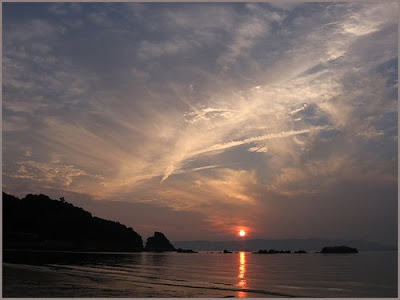
CLICK for more sunset at Shiraishi Island
Sunset at Shiraishi Island, 2008


::::::::::::::::::::::::::::::::::::::::::::::::::::::::::::::::::::::::::::::::::::::::::::::::::::: 

[ . BACK to WORLDKIGO  TOP . ]
[ . BACK to DARUMA MUSEUM TOP . ]

:::::::::::::::::::::::::::::::::::::::::::::::::::::::::::::::::::::::::::::::::::::::::::::::::::::

4/04/2013

Skull (dokuro)

[ . BACK to WORLDKIGO TOP . ]
:::::::::::::::::::::::::::::::::::::::::::::::::::::::::::::::::::::::::::::::::::::::::::::::::::::

skull (dokuro, sharekoobe 髑髏)


***** Location: Japan
***** Season: Non-seasonal Topic
***** Category: Humanity


*****************************
Explanation


quote
The skull is a bony structure in the head of many animals that supports the structures of the face and forms a cavity for the brain.


The skull is composed of two parts: the cranium and the mandible.
A skull without a mandible is only a cranium. Animals that have skulls are called craniates. The skull is a part of the skeleton.

Functions of the skull include protection of the brain, fixing the distance between the eyes to allow stereoscopic vision, and fixing the position of the ears to help the brain use auditory cues to judge direction and distance of sounds. In some animals, the skull also has a defensive function (e.g. horned ungulates); the frontal bone is where horns are mounted.

The English word "skull" is probably derived from Old Norse "skalli" meaning bald, while the Latin word cranium comes from the Greek root κρανίον (kranion).
© More in the WIKIPEDIA !


:::::::::::::::::::::::::::::::::::::::::::::::::::::::::::::::::::::::::::::::::::::::::::::::::::::

. WKD : Body Parts and Haiku .


*****************************
Worldwide use


*****************************
Things found on the way


*****************************
HAIKU


狐火や髑髏(どくろ)に雨のたまる夜に
kitsunebi ya dokuro ni ame no tamaru yo ni

fox fire -
on the night when the skull
gathers rain


Yosa Buson 蕪村

. "fox fire", kitsunebi 狐火 (きつねび) .


:::::::::::::::::::::::::::::::::::::::::::::::::::::::::::::::::::::::::::::::::::::::::::::::::::::


Cloudy morning
I hit the skull
like a drum


. Ozawa Minoru 小澤實 .

:::::::::::::::::::::::::::::::::::::::::::::::::::::::::::::::::::::::::::::::::::::::::::::::::::::


麦青むどれも名のある髑髏
mugi aomu dore mo na no aru sharekoobe

barley becomes green -
all those famous names
of the skulls


Miyamoto Chikako 宮本千賀子


*****************************
Related words


***** . WKD : Body Parts and Haiku .

. WKD - LIST of haiku topics and Keywords  

::::::::::::::::::::::::::::::::::::::::::::::::::::::::::::::::::::::::::::::::::::::::::::::::::::: 

[ . BACK to WORLDKIGO  TOP . ]
[ . BACK to DARUMA MUSEUM TOP . ]

::::::::::::::::::::::::::::::::::::::::::::::::::::::::::::::::::::::::::::::::::::::::::::::::::::: 

1/28/2013

Harassment

[ . BACK to WORLDKIGO TOP . ]
:::::::::::::::::::::::::::::::::::::::::::::::::::::::::::::::::::::::::::::::::::::::::::::::::::::

Harassment (hara, harasumento )

***** Location: Japan
***** Season: Non-seasonal Topic
***** Category: Humanity


*****************************
Explanation


Harassment

covers a wide range of behaviours of an offensive nature. It is commonly understood as behaviour intended to disturb or upset, and it is characteristically repetitive. In the legal sense, it is intentional behaviour which is found threatening or disturbing. Sexual harassment refers to persistent and unwanted sexual advances, typically in the workplace, where the consequences of refusing are potentially very disadvantageous to the victim.

The word is based in English since circa 1618 as loan word from the French harassement, which was in turn already attested in 1572 meaning torment, annoyance, bother, trouble and later as of 1609 was also referred to the condition of being exhausted, overtired. Of the French verb harasser itself there are the first records in a Latin to French translation of 1527 of Thucydides’ History of the war that was between the Peloponnesians and the Athenians both in the countries of the Greeks and the Romans and the neighbouring places where the translator writes harasser allegedly meaning harceler (to exhaust the enemy by repeated raids); and in the military chant Chanson du franc archer of 1562, where the term is referred to a gaunt jument (de poil fauveau, tant maigre et harassée: of fawn horsehair, so meagre and …) where it is supposed that the verb is used meaning overtired.
© More in the WIKIPEDIA !

:::::::::::::::::::::::::::::::::::::::::::::::::::::::::::::::::::::::::::::::::::::::::::::::::::::


*****************************
Worldwide use


harasumento ハラスメント hara, harassment


Blame it on the hara:
harassment vocabulary makes us all victims

Japan has a new hara. No, the nice couple down the hall didn’t just have a baby; according to recent news, yet another form of harassment — abbreviated as “hara” in Japanese — is supposedly becoming a social problem.
This time it’s sō-hara, or “social media harassment.”
- and
Aka-hara — “academic harassment,” also known as “campus harassment”
Pawa-hara: “Power harassment”
Teku-hara: “Technological (or technical) harassment”
Mora-hara: “Moral harassment”
Aru-hara: "Alcohol harassment"
Bura-hara: Discrimination based on blood type.
Rabu-hara: “love harassment”
Eiji-hara: “Age Harassment”
Mariji-harasumento: “marriage harassment”
Sumeru-harasumento “smell harassment”

Eā-harasumento: “Air harassment”
- Eaa, Kūki, the Japanese word for air, is often used to refer to the atmosphere or “vibe” of a social situation.

Harō-hara: Seeing a foreigner and saying “harō.”
Ere-hara: "electoral harassment"
Ekusupa-hara: "Expats harassment"
sāka-hara : "sarcasm harassment"

On this note,
I will close by offering up one other new type of harassment for your consideration: hara-hara — the invention of new forms of harassment so you can get other people to deal with your problems rather than confronting them yourself.

Colin P.A. Jones
source : www.japantimes.co.jp, January 2013


*****************************
Things found on the way


*****************************
HAIKU


so much to ponder
on an ice-cold morning -
woka hara


Gabi Greve

vocabulary harassment


*****************************
Related words


. WKD - LIST of haiku topics and keywords  


[ . BACK to WORLDKIGO  TOP . ]
[ . BACK to DARUMA MUSEUM TOP . ]
::::::::::::::::::::::::::::::::::::::::::::::::::::::::::::::::::::::::::::::::::::::::::::::::::::: 

12/16/2012

Nose hana

[ . BACK to WORLDKIGO TOP . ]
:::::::::::::::::::::::::::::::::::::::::::::::::::::::::::::::::::::::::::::::::::::::::::::::::::::

Nose (hana 鼻) Nase

***** Location: Japan
***** Season: Non-seasonal Topic
***** Category: Humanity


*****************************
Explanation


Anatomically, a nose is a protuberance in vertebrates that houses the nostrils, or nares, which admit and expel air for respiration in conjunction with the mouth. Behind the nose are the olfactory mucosa and the sinuses. Behind the nasal cavity, air next passes through the pharynx, shared with the digestive system, and then into the rest of the respiratory system.
In humans, the nose is located centrally on the face; on most other mammals, it is on the upper tip of the snout.
© More in the WIKIPEDIA !


*****************************
Worldwide use


*****************************
Things found on the way


. Tengu 天狗 Long-Nosed Goblins .


*****************************
HAIKU


Compiled by Larry Bole :

yuugao no hana de hana kamu musume kana

with a plucked
moonflower, a young woman
blows her nose

--Kobayashi Issa,
Tr. Ueda


The young girl
Blows her nose
In the evening-glory.

Tr. Blyth

Blyth also mentions an alternate version of this haiku that Issa wrote, substituting "obaba" for "musume", which Blyth translates as:

The old woman
blows her nose
in the evening-glory.


Blyth mentions that
"The evening convolvulus is of course a large white one, as large almost as a 'real lady's' handkerchief."

Since 'hana' can mean both 'flower 花' and 'nose/mucuous',
Amanda Farrell suggests that there may have been drops of nectar in the open blossom.
- read Amanda Farrell -


If that is the case, then perhaps Issa saw drops of nectar in the blossom, and imagined how they might have gotten there.


.............................................................................


. Matsuo Basho 松尾芭蕉 - Archives of the WKD .


source : itoyo/basho


手鼻かむ音さへ梅の盛り哉
tebana kamu oto sae ume no sakari kana

At a mountain cottage in Iga
even the sound
of someone blowing his nose:
plum blossoms

Tr. Barnhill


The sound of someone
Blowing his nose with his hand;
The plum-blossoms at their best.

Tr. Blyth


At a Mountain Cottage
blowing his snotty nose
such a sound with the plum
in bloom

Tr. Reichhold


Written in Spring of 1688 貞亨5年春
Oi no Kobumi

Basho describes every-day life in his hokku.
Not even such a simple thing as the blowing of a nose is beyond his poetic spirit.

This hokku has the cut marker KANA at the end of line 3.


even the sound of someone
blowing his nose with his hand
under the plum-blossoms in full bloom . . .

Tr. Gabi Greve

This hokku is very difficult to translate in a short version.
The word SAE "even" seems to hold an important meaning.


.............................................................................


Blyth compares this to another verse by Issa:

hatauchi ya tebana o nejiru ume no hana

Tilling the field,
He wipes his snotty hand
On the plum-flowers.

Tr. Blyth

Regarding the Basho haiku, Barnhill writes:
One of several hokku that emphasize the inclusive aesthetic vision of Basho. This hokku was written during his journey that produced 'Knapsack Notebook', in which Basho said that for one who has the poetic spirit, "nothing one sees is not a flower."
[end of comment]

Reichhold writes:
Some scholars think Basho was trying to see how vulgar, or lifelike, he could make his poem in opposition to the more proper waka, where such an image would never be used. 'Hana' can mean both "nose" and "flower." The image of a man blowing his nose onto the ground and using his fingers to wipe away the snot is very graphic.
[end of comment]


.............................................................................


hana terete hitori go o ustu yosamu kana

With nose adrip,
alone at a game of go --
a cold night!

Tr. Sawa & Shiffert

Yosa Buson


.............................................................................


And then there is the very sad "death poem" written
by Akutagawa Ryuunosuke (Gaki) before he committed suicide by drinking poison:

mizubana ya hana no saki dake kure nokoru

Deriding Myself

My runny nose:
everywhere, except on that spot
evening dusk falls.

Tr. Ueda


laughing at myself

One spot, alone,
left glowing in the dark:
my snotty nose.

Tr. Yoel Hoffman


:::::::::::::::::::::::::::::::::::::::::::::::::::::::::::::::::::::::::::::::::::::::::::::::::::::::


Back to Kobayashi Issa


畠打や手洟をねぢる梅の花
hata-uchi ya tebana o nejiru ume no hana

plowing his field
he rolls his snot
on plum blossoms


This hokku was written at the end of the 1st month (February) in 1811, soon after Issa had returned to Edo from a trip to the area east of Edo Bay. Perhaps he saw this plowman at one of the many farms in the outskirts of Edo. Body realism is one of the most important elements in the haikai of Issa and many other Edo haikai poets, and here Issa suggests a farmer completely focused and intent on the hard work of plowing in early spring.
The field is a dry field for vegetables or grain, not a rice paddy.

Chris Drake


:::::::::::::::::::::::::::::::::::::::::::::::::::::::::::::::::::::::::::::::::::::::::::::::::::::::


Back to Matsuo Basho

蓮の香を目にかよはすや面の鼻
hasu no ka o me ni kayowasu ya men no hana

the fragrance of lotus
reaches the eyes -
(through the ) nose of a Noh mask

Tr. Gabi Greve


source : 笹やんの能面打ち


Written in Genroku 7 元禄7年夏
This hokku has the cut marker YA at the end of line 2.

Basho visited the home of the Noh actor Honma Shume 本間主馬.
The Noh mask has holes in the nose part for the actor to see just a little bit in front below him. So the fragrance indeed comes through the nose for him to see.
A simple man like Basho can only feel the fragrance with his nose.

. Matsuo Basho 松尾芭蕉 - Archives of the WKD .


quote
Basho, in introducing one of his poems, writes:
"In the house of Honma Shume, on the wall of his Noh stage, there hangs a painting: a tableau of skeletons with flutes and hand-drums.
Truth to tell, can the face of life be anything other than this?
And that ancient tale about the man who used a skull for a pillow and ended up unable to distinguish dream from reality - that, too, tells us something about life"

Religion and Nothingness
Keiji Nishitani
source : books.google.co.jp


. Noo 能 Noh-Performance and Kigo .


:::::::::::::::::::::::::::::::::::::::::::::::::::::::::::::::::::::::::::::::::::::::::::::::::::::


Valentine's Day:
with a head cold my wife blows
a kiss and her nose!


Larry Bole
Valentine 2012


.................................................................................


subdued class--
I feel uneasy to blow
my nose


- Caleb Mutua, Nairobi Kenya


:::::::::::::::::::::::::::::::::::::::::::::::::::::::::::::::::::::::::::::::::::::::::::::::::::::

*****************************
Related words


***** . WKD : Body Parts and Haiku .


. WKD - LIST of haiku topics and keywords  


[ . BACK to WORLDKIGO  TOP . ]
[ . BACK to DARUMA MUSEUM TOP . ]
:::::::::::::::::::::::::::::::::::::::::::::::::::::::::::::::::::::::::::::::::::::::::::::::::::::

11/19/2012

hut, thatched hut

[ . BACK to WORLDKIGO TOP . ]
:::::::::::::::::::::::::::::::::::::::::::::::::::::::::::::::::::::::::::::::::::::::::::::::::::::

Hut(iori) )

***** Location: Japan
***** Season: Non-seasonal Topic
***** Category: Humanity


*****************************
Explanation


A simple thatched hut is often the subject of Japanese poetry.


The more refined tea house evolved from the simple dwelling of the peasants of the Edo period.

an 庵 hermitage, hut
yado 宿 my home. yado is also a lodging on the road


. WKD : Living at home in all seasons .


:::::::::::::::::::::::::::::::::::::::::::::::::::::::::::::::::::::::::::::::::::::::::::::::::::::

見渡せば花も紅葉もなかりけり
浦の苫屋の秋の夕暮れ


miwataseba hana mo momiji mo nakarikeri
ura no tomaya no aki no yugure

As I look around
cherry blossoms or crimson leaves
are not to be found -
by the rush-thatched hut along the shore
in autumn's evening dusk.


Fujiwara no Teika, Shinkokin-shu
Tr. Hayashida Hajime


. WKD : Autumn Solitude .


:::::::::::::::::::::::::::::::::::::::::::::::::::::::::::::::::::::::::::::::::::::::::::::::::::::


Shiren yu xie 詩人玉屑 Gemlike words of poets

Under the title “Dwelling in Retirement,” for instance, the book cites Tao Qian as an example under “Historical Facts” and provides 168 couplets by poets from different periods; some of them directly mention the names of Ruan Ji, Ji Kang, and Tao Qian.

The entry also gives twenty-six “Related Images and Motives,” such as “composing a poem,” “study surrounded by bamboos,” “bamboo groves,” “thatched hut,” “sitting in tranquility,” “lonely and tranquil,” “remote place,” “playing the zither,” “purity and loftiness,” and “drinking wine.”

source : Basho-and-the-Dao - Peipei-Qiu


:::::::::::::::::::::::::::::::::::::::::::::::::::::::::::::::::::::::::::::::::::::::::::::::::::::


- Bashō-An, Bashoo-an 芭蕉庵 Basho-An in Fukagawa 深川 -
. Matsuo Basho 松尾芭蕉 - Archives of the WKD .


芭蕉葉を柱に懸けん庵の月  
bashooha o hashira ni kaken io no tsuki

one banana leaf
placed on the pillar -
the moon above my hut 


.............................................................................


発句なり松尾桃青宿の春
. hokku nari Matsuo Toosei yado no haru .
(spring). the home of Matsuo Tosei
1677

Matsuo later changed his name from Tosei "Green peach" to Basho (Banana).


. WKD : "spring in this lodge", yado no haru 宿の春 .
Kigo for the New Year

.............................................................................


啄木鳥も庵は破らず夏木立
kitsutsuki mo io wa yaburazu natsu kodachi

even woodpeckers
don't damage this hut:
summer grove

Tr. Barnhill


MORE about Basho haiku
translations and discussion :
. WKD : woodpecker, kitsutsuki 啄木鳥 .


..........................................................................


ばせを植ゑてまづ憎む荻の二葉哉
bashoo uete mazu nikumu ogi no futaba kana
. Planting the first banana tree with his disciple Rika 李下 .


.............................................................................


kakurega 隠れ家 hiding place, hideout, refuge

隠れ家や月と菊とに田三反
. kakurega ya tsuki to kiku to ni ta san tan .
hermitage with moon, chrysanthemums and rice paddies
for Tani Boku-In (Bokuin)


.............................................................................


粟稗にとぼしくもあらず草の庵 
. awa hie ni toboshiku mo arazu kusa no io .
foxtail millet (awa), barn millet (hie)


.............................................................................


初雪や幸ひ庵にまかりある 
hatsu yuki ya saiwai an ni makariaru

first snow -
I am lucky to be here
in my own hut

Tr. Gabi Greve


Written on the 18th day of the 12th lunar month 1686
貞亨3年12月18日, Basho age 43

This day was also considered as the 31st day of the 1st month
太陽暦で1687年1月31日
Other sources place it on the ninth day of the 12th lunar month.
12月9日

On that day he wrote about the first narcissus.

初雪や水仙の葉のたわむまで
. hatsu-yuki ya suisen no ha no tawamu made .

Basho was fond of "first snow" and made some trips to friends when he heard the good news. Now finally it has started snowing on his own home and he is happy to be there.

makari aru 罷りある an emphatic verbal prefix
shows his great joy about the snow.

.............................................................................


この宿は水鶏も知らぬ扉かな
kono yado wa kuina mo shiranu toboso kana

this lodging has a door
not even known
to the water rail

Tr. Gabi Greve

Most probably written when Basho visited Kosen 湖仙亭 in Otsu in 1694.
As a greeting to his host who lived so remote and lonely that
"not even the water rails come to knock at the door".
The voice of the birds sounds like someone knocking on a door,
kuina tataku 水鶏たたく.


source : masuda-art.p1.bindsite

Waka by. Fujiwara no Teika 藤原定家.

槙の戸をたたく水鶏の曙に人やあやめの軒のうつりか

maki no to ni tataku kuina no akebono ni
hito ya ayame no noki no utsuri ka

"At dawn I heard a knock at the door,
but when I opened there was nobody,
just the voice of a water rail outside."


The "knocking of the water rail" is also mentioned in the
Murasaki Shikibu Diary Emaki 紫式部日記絵巻,
© More in the WIKIPEDIA !


. water rail, kuina 水鶏 (くいな) Rallus aquaticus .


.............................................................................


草臥れて宿借るころや藤の花 
くたびれて宿借るころや藤の花
kutabirete yado karu koro ya fuji no hana

just as I am so tired
and look for a lodging -
wisteria flowers

Tr. Gabi Greve


When worn out
And seeking an inn:
Wisteria flowers!

Tr. Aitken


Tired walking
stopping at an inn
wisteria

Tr. David McMurray, 2004
The master poet must have seen some purple wisteria blossoms dangling from a trellis in the evening light. There is a certain harmony between the blossoms and his tired body and soul. His poem does not evoke an image of loneliness, rather he seems to be in a contented frame of mind. He's at one with nature.
source : asahi.com/english/haiku


As I seek a bower,
Weary from travel, I find
A wisteria flower.

Tr. Yasuda


Written in 1688, at Yamato Yagi 大和八木にて
This hokku has the cut marker YA at the end of line 2.

. WKD : Wisteria (fuji 藤) .


Oi no Kobumi 笈の小文
. Matsuo Basho 松尾芭蕉 - Archives of the WKD .

.............................................................................


source : hiroko1.exblog.jp
aki yanagi 秋柳 willow in autumn


なに喰うて小家は秋の柳かな 
nani kuute ko-ie wa aki no yanagi kana

what do they eat
in this small house in autumn
below the willow tree ?

Tr. Gabi Greve


This hokku has the phrase stretched over lines 2 and 3:
aki no yanagi kana - autumn for the willow tree
and the cut marker KANA at the end of line 3.

Written in 貞亨元年, Basho age 41 or later.

There is just one small house below the willow tree and Basho wonders how its inhabitants make do with their poor life.


.............................................................................


西行の庵もあらん花の庭 
. Saigyō no iori mo aran hana no niwa .
Basho and Saigyo 芭蕉 - 西行


.............................................................................


source :www.komonjyo.net


I got some rice from friends.

世の中は稲刈るころか草の庵
yo no naka wa ine karu koro ka kusa no io

in the world it is now time
to harvest rice -
my thatched hermitage

Tr. Gabi Greve

Written around 貞亨年間, Basho age 41 - 44

The hut refers most probably to his second Basho-An in Fukagawa.
Someone of his disciples had brought him newly harvested rice to support his poor life.
Basho leads the life of an intonsha 隠遁者 a recluse and makes fun of his lifestyle.

. WKD : The Japanese Rice Culture - .


- Bashō-An 芭蕉庵 Basho-An in Fukagawa 深川 -
. Matsuo Basho 松尾芭蕉 - Archives of the WKD .


:::::::::::::::::::::::::::::::::::::::::::::::::::::::::::::::::::::::::::::::::::::::::::::::::::::


Go-goo-An" 五合庵 Gogo-An
The hermitage of poet
. Ryokan / Ryookan 良寛 .
(1758-1831)
At Mount Yahiko in Echigo.


*****************************
Worldwide use


*****************************
Things found on the way


watamashi わたまし/ 移徙 /渡座 to move into a new dwelling


It was celebrated with a special gift of flowers
watamashi no iwai 渡座の祝


*****************************
HAIKU


. WKD : Kobayashi Issa 小林一茶 in Edo .

庵門に流れ入けり天の川
iokado ni nagare-irikeri Amanogawa

flowing in
through my front door --
the Milky Way

Tr. Chris Drake

This hokku was written early in the 7th month (August) of 1814, while Issa was living in his hometown and three months after he had gotten married for the first time. It comes right before a group of hokku in Issa's diary about the Tanabata star festival celebrated on 7/7, so it's obviously written with the star festival in mind. According to the legend celebrated at the festival, the Weaving Woman star (Vega) and the Oxherd star (Altair) are separated by the River of Heaven (the Milky Way) and fated to be able to meet on only one night of the year -- the night of lunar 7/7. On this night, if there are no clouds, the Weaving Woman is able to meet her lover by crossing the River of Heaven on a bridge formed by many magpies lined up side by side.

The word io literally means 'hut, hermitage,' but it was also a standard polite euphemism for one's own home. Similar humble words were also used when referring to oneself or one's family. Since the Milky Way "flows inside" the door, I take "hut" to be a reference to Issa's own house and take him to be watching the Milky Way through his front door. On one level this is a visual hokku about how the Milky Way seems to be flowing down inside Issa's house on a clear night far from city lights on which the stars seem even closer than usual.

But this is the first time Issa has celebrated the star festival with his wife, and in the previous hokku in his diary he writes about "my star," so he may be suggesting that he and his wife are like the star lovers and that this year the Milky Way is also being crossed by Issa and his wife as it flows through their house.

Chris Drake

- - - - -

隠れ家は気のむいた夜が月見哉
kakurega wa ki no muita yo ga tsukimi kana

in my small home
tonight we feel like it --
moon-viewing

Tr. Chris Drake

This hokku appears along with one other hokku in a letter Issa sent on 8/16/1826 to his student and patron Shunkou (春耕), whose wife Seifu (成布) was also a hokku and renku poet. The word "hermitage; small hut" was a common humble expression to refer to one's own old or poor house, and Issa uses it in several hokku to modestly refer to his own house. In the letter, the reference is clearly to his own modest house.

It's quite normal to want to do moon-viewing, so why does Issa stress this normal feeling? There is no clear answer to this question, but it's known that in the 8th month of this year Issa married for the third time to a woman from a nearby province who worked as a maid in his hometown. The woman, Yao, was thirty-one and had a year-old child born out of wedlock, whom Issa agreed to take care of, and he must have met her at least a few times before they married, since they lived in the same town. A plausible hypothesis for Issa's great happiness at this year's ceremonies for viewing the harvest moon would be that he has either just married or is about to marry his third wife and that having a moon-viewing party with her and perhaps a few relatives in his modest home is a special joy for him at this point in his life. I take "feel like it" to be deliberately ambiguous: it can refer not only to moon-viewing but to getting married and all the things that go with that. If so, then Issa uses "my humble house" in order to stress that he is part of a family again and that watching the moon as part of a family gives him -- and no doubt Yao -- a deep joy that isn't provided at ordinary parties for viewing the moon, even the harvest moon. The translation uses "we" as the subject of the verb to express this connection between Issa's house and his new family.

The second hokku in Issa's letter is equally joyful, almost euphoric:

古壁やどの穴からも秋の月
furu-kabe ya dono ana kara mo aki no tsuki

old walls --
from every hole
autumn moonlight


Continuing the "modest little hut" image, Issa declares that on this special night even the light pouring through the holes in the old walls of his house creates a beautiful counterpoint to the moon-viewing party. The moonlight image might also be a greeting from Issa to Yao to tell her he's sure she will illuminate his old house and make it attractive again. The old walls further suggest Issa himself at sixty-three (he died two years later). He seems to feel light pouring through his life from many directions on this particular full-moon night.

Issa's letter says he plans to visit Shunkou in about three months. No doubt he explained to Shunkou at that time about his third marriage, but the two hokku in the letter may already have given Shunkou a hint about Issa's new frame of mind.

Chris Drake


:::::::::::::::::::::::::::::::::::::::::::::::::::::::::::::::::::::::::::::::::::::::::::::::::::::


Other haiku by Issa, Tr. David Lanoue

草の庵年取餅を買にけり
kusa no io toshitori mochi o kai ni keri

thatched hut--
the year's last rice cakes
are bought


Translated by David Lanoue
More ISSA Haiku about Pounding Rice


The discussion started with another translation of this haiku

thatched hut--
the aged rice cake
is purchased


Translating Haiku Forum Nr. 853 / 855 / 858 / 864

In former times, it was customary in Japan to add one year to one's life on the first of January (toshitori). Individual birthdays were not celebrated.
to get older, toshi o toru 年を取る

thatched hut -
buying rice dumplings
to grow older another year

(Tr. Gabi Greve)

"yellowtail tuna to pass into the New Year" toshitori buri 年取鰤 is a speciality for New Year in Western Japan.


The use of IO, iori, 庵 the thatched hut
Translating Haiku Forum


o o o o o

to my hut too
New Year's arrives...
the zooni vendor


waga io ya ganjitsu mo kuru zooni uri
我庵や元日も来る雑煮売

by Issa, 1817

Zooni, glutinous rice cakes with vegetables, is enjoyed in the New Year's season.
This haiku has the prescript, "In Hatsuchoobori Beggar Quarter, I greet the spring."
Hatsuchoobori was a district of old Edo (today's Tokyo). See Maruyama Kazuhiko, Issa haiku shuu (Tokyo: Iwanami Shoten, 1990; rpt. 1993) 261, note 1394.
Shinji Ogawa offers this translation:

To my hut
even on the New Year's Day
zooni vendors come


He notes that it is a Japanese custom not to work during the first three days of the year, but in the big city of Edo, zooni vendors were busy as bees.

Tr. David Lanoue
http://cat.xula.edu/issa/

::::::::::::::::::::::::::::::::::::::::::::::::::::::::::::::::::::


木つ々きが目利して居る庵哉
kitsutsuki ga mekiki shite iru iori kana

woodpecker
busy appraising
the meditation hut

Tr. Chris Drake

I've translated the version that appears near the end of My Spring. In Issa's diary the first and second lines are slightly different, though the basic meaning is the same: kitsutsuki no mekiki shite miru . . .


Read the full discussion by Chris here:

. Issa and the Woodpecker .


*****************************
Related words


***** . Mochi and pounding rice .

***** . WKD : Living at home in all seasons .


. WKD - LIST of haiku topics and keywords  


[ . BACK to WORLDKIGO  TOP . ]
[ . BACK to DARUMA MUSEUM TOP . ]
:::::::::::::::::::::::::::::::::::::::::::::::::::::::::::::::::::::::::::::::::::::::::::::::::::::