:::::::::::::::::::::::::::::::::::::::::::::::::::::::::::::::::::::::::::::::::::::::::::::::::::::
Voice of an animal (marumaru no koe)
***** Location: Japan
***** Season: Non-seasonal Topic
***** Category: Animal mole
*****************************
Explanation
The voices of animals can be expressed in many ways and translating them is even more difficult. Here we will look at some problems of translating. Some of the animals are kigo, see the links to the WKD.
Biologically, the voice is produced through the cooperation of lungs, throat and mounth. So larger animals can be said to have a voice.
Insects usually use other parts of their body to produce a sound, so it is questionable if the literal translation for KOE in this case is correct.
the "voice" of an animal is nakigoe 鳴き声、鳴声.
the sound of an animal is expressed as naku 鳴く
Please add your haiku and haiku of the masters, as you find them, as a comment to this BLOG.
Gabi Greve, July 2006
The voices of the following animals are discussed, in the order as I found them
"voice of the cicada" semi no koe 蝉の声
"voices of the insects" mushi no koe 虫の声
"voice of the birds" tori no koe 鳥の声
"sparrow's voices" suzume no koe 雀の声、a problem
MOSQUITOE, ka 蚊
SPIDERS, kumo 蜘蛛
DUCKS, kamo 鴨
PHEASANT, kiji 雉子
COWS and Bulls, ushi 牛
DOG, inu 犬
CAT, neko 猫
DEER, shika 鹿
EARTHWORM, mimizu ミミズ 蚯蚓 みみず
CRICKET, kirigirisu きりぎりす
. turtle making a sound, crying, turtle chirps
kame naku 亀鳴く (かめなく)
"turtle reciting the sutras"
kame no kankin 亀の看経(かめのかんきん)
FOX, kitsune 狐 ... gon gon, kon kon
. Yellow voice of uguisu 鶯や黄色な声 .
yguisu ya kiiro na koe de oya o yobu / Issa
:::::::::::::::::::::::::::::::::::::::::::::::::::::::::::::::::::::::::::::::::::::::::::::::::::::
"voice of the cicada" semi no koe 蝉の声
閑かさや岩にしみ入る蝉の声
shizukasa ya iwa ni shimiiru semi no koe
oh in the quietude
seeping into the rock
the voices of cicadas
Bashō
WKD : Cicada (semi)
..... ..... .....
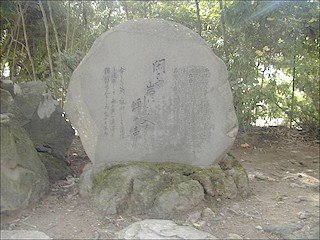
さびしさや 岩にしみ込 蝉のこゑ
sabishisa ya iwa ni shimikomu semi no koe
On a lonely path
penetrating all the rocks
a cicada cry
Matsuo Basho
Memorial Stone of this haiku
© 俳聖 松尾芭蕉・みちのくの足跡
http://www.bashouan.com/psPhoto5.htm
..... ..... .....
やがてしぬ けしきはみえず 蝉の声
yagate shinu keshiki wa miezu semi no koe
. Matsuo Basho 松尾芭蕉 - Archives of the WKD .
Soon to die
they show no sign of it:
the cries of cicadas
(© William J. Higginson)
Soon to die
but there's no sign of it
in the cicadas' song.
(© Thomas McAuley)
Dying cricket!
How he sings out his life.
www.cs.arizona.edu/~kece/Personal/Poems/basho.html
There is nothing in the cry
of the cicada that suggests
it is about to die
Tr. Sam Hamill
..... ..... .....
撞鐘も ひびくやうなり 蝉の聲
tsuku kane mo hibiku yo nari semi no koe
Matsuo Basho
A tolling bell
resounding is
the cicadas' song.
(© Thomas McAuley)
xxxxxxxxxxxxxxxxxxxxxxxxxxxxx
山人や袂の中の蝉の声
yamaudo ya tamoto no naka no semi no koe
mountain hermit--
deep in his sleeve
singing, a cicada
Kobayashi Issa
Tr. David Lanoue
山人 - yamabito
xxxxxxxxxxxxxxxxxxxxxxxxxxxxx
CICADA : other translations
tremolo of cicadas (literally)
World Haiku Review
cicada’s song
www.worldhaikureview.org/4-1/whcgerman-p2.htm
cicadas singing
cicada voice
www.michaelhaldane.com/HaikuLink.htm
cicadas' cry
cries of the cicada
web.otani.ac.jp/EBS/images/EB%20STYLE%20SHEET.pdf
the locust cry
the locust-shrill
www.uwf.edu/tprewitt/Japan3.htm
sound of a cicada
www.tapsns.com/haiku.php?mode=list&page=7
:::::::::::::::::::::::::::::::::::::::::::::::::::::::::::::::::::::::::::::::::::::::::::::::::::::
"Voices of the Insects" mushi no koe 虫の声
The various sounds of the crickets in autumn.
WKD : Insects (mushi) and their sounds
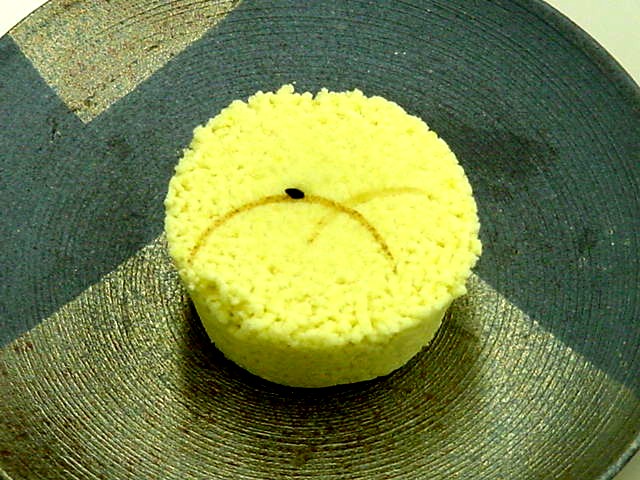
A sweet cake served for the tea ceremony in autumn,
called "Mushi no Koe"
www.mase-jp.com/0109_jyounama.htm
ooo ooo ooo ooo ooo ooo ooo ooo ooo
"recital of the insects, mushi no gin 虫の吟
GIN is the poetry recital, we know it from the Haiku Walk, ginkoo 吟行.
冬庭や月もいとなる虫の吟
fuyuniwa ya tsuki mo ito naru mushi no gin
fuyu-niwa ya fuyu niwa ya
Above a wintry garden
the moon thins to a thread:
insect's singing.
(Makoto Ueda 1970)
the winter garden -
thinning to a thread, the moon
and an insect's singing
(Makoto Ueda 1992)
Над зимним садом -
Луна тонка, словно нить.
Поют комары.
Copyright © 1998-2004, D. Smirnov, I. Yasuda
About the KIGO in this haiku:
winter is of course a winter kigo, but here it might mean the feeling of cool in the garden when the first voice of the insects (kigo for autumn) are finally heared after a long hot summer. After all, we are in the Edo period with no coolers or devices to cool a home. Even the sound of wind chimes (fuurin) was used to create a feeling of coolness in summer.
If the word WINTER is taken at face value, it will convey the feeling of a pleasant warm late autumn day, when the insects were still singing.
(ふゆにはやつきもいとなるむしのぎん)
今年の夏は暑い、それでも山国ではそろそろ虫の音が聞える。そして不思議なもので虫の音が聞えると感覚的にもうそろそろ秋だなあ、とう気がしてくる。それは、虫=秋という思い込みがそうさせるのか、あるいは虫の涼やかな音がそうさせるのか、多分その両方だと思う。例えば昔は暑さを凌ぐために、風鈴などを軒下にかけ、その音を聞いていくらか涼感を味わったのだから。今はクーラーの時代で、あの懐かしい風鈴はあまり見かけないが、どうも健康的にはクーラーより風鈴のほうがよさそうな気がする。
この句のように冬になれば、残る虫の音は過ぎてゆく穏やかな季節への名残と聞える。
http://www.geocities.co.jp/Hollywood-Studio/4128/591.html
:::::::::::::::::::::::::::::::::::::::::::::::::::::::::::::::::::::::::::::::::::::::::::::::::::::
"voice of the birds" tori no koe 鳥の声
bird song, chirping
Some Thoughts by Narayanan :
I and N [ my disciple for music] were listening to Kumar Gandharva's Bhajans. It ended with "nirbhay nirgun ~~ " There was a profound silence around as a result of the song. Then he was about to play another cassette.
I said "fool stop it: there is no more human music possible after this!It is a closure. Only birds can sing better!"
We were sitting there for sometime and very soon dozens of different birds appeared in the garden around, singing in full gusto. I was ecstatic: It was as if they heard my compliment to their race.
I just indicated to N to listen and showed him how they were keeping Adi Taalam [the primordial rhythm] for their divine symphony. It was the only time i had seen so many birds at my window. In traditional Indian mysticism birds are divine beings. Even crows are considered anscestors coming to visit us. In other traditions they symbolize angels.
the sky is mu
the spring-light is mu
the bird-song is mu
© Narayanan Raghunathan
World Kigo Database : MU
xxxxxxxxxxxxxxxxxxxxxxxxxxxxxxxxxxxxxxxxxxxxx
Kikinashi ききなし
(the expression of birdcalls in the Japanese language)
Many people find it quite difficult to learn how to recognize each species' particular way of singing. It's probably not as easy as remembering their physical characteristics.
The song of the cuckoo, which has been transcribed as "Tokyo-tokkyo-kyokakyoku" (which means Tokyo Patent Office) and that of the crowned willow warbler - "sho-chu-ippai-kuii" ("Drink the wine down in one gulp").
Please read the details HERE !
:::::::::::::::::::::::::::::::::::::::::::::::::::::::::::::::::::::::::::::::::::::::::::::::::::::
voice of a sparrow, suzume no koe 雀の声
yume mo mizu nete ita yo suzume no koe
not seeing a dream
slept the night
sparrow's voices
荻原井泉水 Ogiwara Seisensui
I wonder if the last line of this haiku is correct.
The kigo is quoted for spring, but then it should read "suzume no ko", baby sparrow.
Quoted from "The Haiku Handbook", Kodansha 1985, by William J. Higginson
Read more here:
Discussing kigo: "suzume no koe ??"
... ... ...
チュンチュンと雀の声に目覚めたり
chuu chuu to suzume no koe ni mezametari
chirp chirp chirp -
I wake up to the
voice of the sparrows
Comment of the author:
これも季語なし。雀の子なら季語であるが。
This is a haiku without a kigo. Had I written "baby sparrows", this would have a kigo.
http://homepage1.nifty.com/midnightsapporo/haiku/haikup/haip06/haip06.html
*****************************
Worldwide use
Russia
Various Voices of Animals
Zhanna P. Rader
*****************************
Things found on the way
*****************************
HAIKU
MOSQUITOE, ka 蚊
In English, the sound mosquitoes make when flying is commonly described as being a 'buzz', a 'hum', a 'drone' and sometimes a 'whine'.
In Japanese, the onomatopoetic 'bun-bun' can be used to discribe this sound.
A scientific study has shown that different species of mosquitoes buzz or hum at different sound frequencies to facilitate finding the right mate among the different mosquitoes 'voicing' around in a given area.
Larry Bole, Translating Haiku Forum
蚊の声の中に思索の糸を獲し
ka no koe no naka ni shisaku no ito o eshi
Through the mosquito's voice
I started a thread of poetic thought.
(Tr. Hugh Bygott)
Discussing this haiku
Hugh Bygott, Translating Haiku Forum
... ... ...
I can imagine her sitting in the mosquito net (I used to live in one in the first year of my stay at GokuRakuAn, with all the mosquitoes buzzing outside, trying to get my thoughts together while looking through the loops and threads ...), so here she sits trying to ponder ... I wonder which haiku was really formed in her mind in this situation !
With the idea of a mosquito net the idea of a thread is even more tempting to me as some sort of shasei ...
amid the buzz of mosquitoes
a thread of ideas is
enfolding
(Tr. Gabi Greve)
in the mosquito's
buzz, a thread of thought
begins in my mind
(Tr. Ueda Makoto)
xxxxxxxxxxxxxxxxxxxxxxxxxxxxx
蚊の声の中にあかいぞ草の花
ka no koe no naka ni akai zo kusa no hana
Kobayashi Issa
amid the buzz of mosquitoes
a bit of red...
wildflower
Tr. David Lanoue
WKD : Mosquito (ka)
xxxxxxxxxxxxxxxxxxxxxxxxxxxxx
蚊の声す忍冬の花の散るたびに
ka no koe su nindoo no hana chiru goto ni
Mosquitoes humming
each time a honeysuckle flower
falls from the vine.
Tr. Sawa & Shiffert
. Honeysuckle (nindoo, suikazura) .
蚊の声のうろつく五臓六腑かな
ka no koe no urotsuku gozoo roppu kana
. Kaneko Tohta, Kaneko Tota 金子兜太 .
:::::::::::::::::::::::::::::::::::::::::::::::::::::::::::::::::::::::::::::::::::::::::::::::::::::
SPIDERS, kumo 蜘蛛
蜘何と 音をなにと鳴 秋の風
Kumo nan to ne wo nani to naku aki no kaze
Spider, say again!
It’s so hard to hear your voice
in the autumn wind.
Spider, I say!
In what voice do you chirp?
An autumn wind
(Tr. Makoto Ueda)
Old spider! What is your
song? How do you cry
to the autumn wind
Tr. Sam Hamill
. Matsuo Basho 松尾芭蕉 - Archives of the WKD .
Discussing more translations of this haiku
Translating Haiku Forum, April 2010
WKD : Spider (kumo)
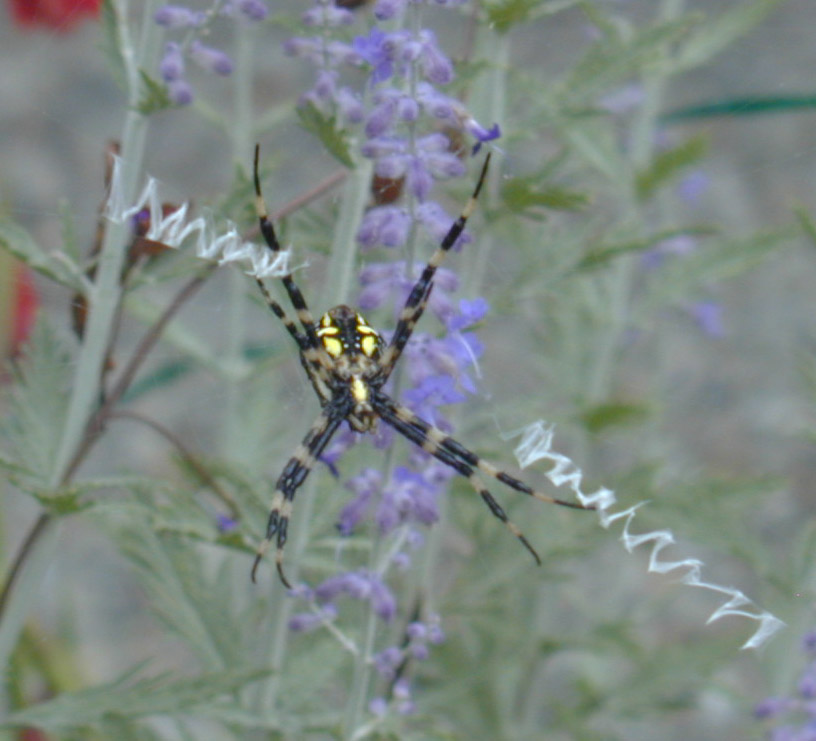
© Photo by Gabi Greve, July 2006
:::::::::::::::::::::::::::::::::::::::::::::::::::::::::::::::::::::::::::::::::::::::::::::::::::::
DUCKS, kamo 鴨
海くれて 鴨のこゑ ほのかに白し
Umi kurete kamo no koe honokani shiroshi
Ocean waves are dark,
only calls of ducks
faintly lighten in the sky
The sea darkens
and a wild duck’s call
is faintly white.
Makoto Ueda
Discussing the color WHITE -
. Matsuo Basho 松尾芭蕉 - Archives of the WKD .
WKD : Duck (kamo)
:::::::::::::::::::::::::::::::::::::::::::::::::::::::::::::::::::::::::::::::::::::::::::::::::::::
PHEASANT, kiji 雉子
父母の しきりに戀し 雉子の声
父母のしきりに恋し雉の声
chichi haha no shikiri ni koishi kiji no koe
Father, mother dear!
I hear as I mourn for you –
hear the pheasant's cry!
The voice of the pheasant;
how I longed
for my dead parents!
Tr. Blyth
Discussion is here :
. Matsuo Basho 松尾芭蕉 - Archives of the WKD .
xxxxxxxxxxxxxxxxxxxxxxxxxxxxxxxxxxxxx
雉なくや座頭が橋を這ふ時に
kiji naku ya zatoo ga hashi o hau toki ni
a pheasant cries
just when the blind man
crawls across the bridge
Issa, 1818
Tr. David Lanoue
In this comic haiku the pheasant's outburst has come at a bad time. One hopes that the blind man isn't startled enough to lose his balance!
xxxxxxxxxxxxxxxxxxxxxxxxxxxxxxxxxxxxx
Mokubo Temple --
even at dusk the pheasant
still crying
木母寺は暮ても雉の鳴にけり
mokuboji wa kurete mo kiji no naki ni keri
Issa and Temple Mokubo-Ji
Tr. David Lanoue
Pheasant (kiji) KIGO
:::::::::::::::::::::::::::::::::::::::::::::::::::::::::::::::::::::::::::::::::::::::::::::::::::::
Cows and Bulls, ushi 牛
春風や堤ごしなる牛の声
haru kaze ya tsutsumi goshi naru ushi no koe
来山 Raizan
Vento de primavera —
Do outro lado do aterro,
O mugido da vaca.
http://www.kakinet.com/caqui/antojappn.shtml
spring breeze -
on the riverbank
the voices of cows
(tr. Gabi Greve)
WKD : Cow, Bull (ushi)
:::::::::::::::::::::::::::::::::::::::::::::::::::::::::::::::::::::::::::::::::::::::::::::::::::::
DOG, inu 犬
howling, unaru うなる
犬の声靴の音長夜なりにけり
inu no koe kutsu no ne nagakiyo nari ni keri
a dog howling
sound of footsteps
longer night
Masaoka Shiki
... ... ...
犬の声ぱったり止て蓮の花
inu no koe pattari yamite hasu no hana
suddenly
the dog stops barking...
lotus blossoms!
Kobayashi Issa, Three more on this LINK
Tr. David Lanoue
うら窓や鹿のきどりに犬の声
ura mado ya shika no kidori ni inu no koe
back window--
the deer strikes a pose
the dog barks
花ちるや称名うなる寺の犬
hana chiru ya shoomyoo unaru tera no inu
cherry blossoms scatter--
growling Buddha's name
a temple dog
Issa (Tr. David Lanoue)
The temple dog is growling the nembutsu prayer:
"Namu Amida Butsu"--"All praise to Amida Buddha!"
This is appropriate for the situation, since the blossoms are dying and only Amida Buddha's intercession can bring salvation: rebirth in the Pure Land.
"Blossoms" (hana) can denote cherry blossoms in the shorthand of haiku.
Chanting only the name of Amida or other deities is especially common in the Sect of the Pure Land, to which Issa belonged.
称名 (しょうみょう): 仏や菩薩の名を称(とな)えること。
shoomyoo 声明 is the chanting of prayers accompanied by musical intstuments in other Buddhist sects.
:::::::::::::::::::::::::::::::::::::::::::::::::::::::::::::::::::::::::::::::::::::::::::::::::::::
CAT, neko 猫
sound/voice/call/ of a cat ... neko no koe 猫の声
hana ni hi no sashite cho kamu neko no koe
Hyakuchi (1757-1835)
sun-lit blossoms
a cat gurgles chewing
on a butterfly
robin d. gill
Read the discussion of this translation
Translating Haiku Forum
xxxxxxxxxxxxxxxxxxxxxxxxxxxxxxxxxx
In the haiku by Issa, the subject is the love season of cats, neko no koi 猫の恋.
のら猫も妻乞ふ声は持にけり
nora neko mo tsuma kou koe wa mochi ni keri
even the stray cat
begging
for a wife!
有明や家なし猫も恋を鳴
ariake ya ie nashi neko mo koi wo naku
at dawn
the homeless cat, too
cries for love
猫なくや中を流るる角田川
neko naku ya naka nagaruru sumida-gawa
cats' love calls--
between them flows
Sumida River
大猫よはやく行け行け妻が鳴く
ô neko yo hayaku ike ike tsuma ga naku
hey big cat
shake a leg!
the wife calls
あまり鳴て石になるなよ猫の恋
amari naite ishi ni naru na yo neko no koi
such yowling
don't turn to stone!
lover cat
つりがねのやうな声して猫の恋
tsuri-gane no yôna koe shite neko no koi
with a voice
like a temple bell...
the lover cat
庵の猫しゃがれ声にてうかれけり
io no neko shagare koe nite ukare keri
my hut's cat
with a hoarse voice
goes carousing
ばか猫や身体ぎりのうかれ声
baka neko ya shintai-giri no ukare koe
foolish cat--
putting his whole body
into his yowl
屋根の声見たばかり也不精猫
yane no koe mita bakari nari bushô neko
just a glance
at the yowler on the roof...
lazy cat
恋猫や竪横むらを鳴歩行
koi neko ya tate yoko mura wo naki-aruku
the lover cat
crisscrosses the village
yowling
縛れて鼾かく也猫の恋
shibararete ibiki kaku nari neko no koi
tethered now
how he snores...
the lover cat
Issa, Tr. by David Lanoue
:::::::::::::::::::::::::::::::::::::::::::::::::::::::::::::::::::::::::::::::::::::::::::::::::::::
DEER, shika 鹿
shika no nakigoe 鹿の鳴声
Deer, Voice of the Deer: KIGO for Autumn
!! Read this interesting discuccion HERE !!
:::::::::::::::::::::::::::::::::::::::::::::::::::::::::::::::::::::::::::::::::::::::::::::::::::::

. mimizu naku みみずなく mole-cricket singing
lit "earthworms singing", "earthworms's song"
mole cricket Gryllotalpa orientalis
ケラ(螻蛄)kera
kera naku 螻蛄鳴く (けらなく) mole cricket singing
jimushi naku 地虫鳴く (じむしなく)"earth insect singing"
kigo for all autumn
:::::::::::::::::::::::::::::::::::::::::::::::::::::::::::::::::::::::::::::::::::::::::::::::::::::
CRICKET, kirigirisu きりぎりす
Cricket as KIGO for Autumn
きりぎりす声をからすな翌も秋
kirigirisu koe o karasu na asu mo aki
don't get hoarse
katydid! tomorrow is
autumn too
Issa, Tr. David Lanoue
A katydid (kirigirisu) is a green or light brown insect, a cousin of crickets and grasshoppers. The males possess special organs on the wings with which they produce shrill calls. Although katydid is the closest English equivalent, many translators (such as R. H. Blyth) use the more familiar "grasshopper" and "cricket." See Haiku (Tokyo: Hokuseido, 1949-1952; rpt. 1981-1982/reset paperback edition) 4.1068-69.
:::::::::::::::::::::::::::::::::::::::::::::::::::::::::::::::::::::::::::::::::::::::::::::::::::::
. mushi karuru 虫嗄るる(むしかるる)
insects singing with a hoarse voice
mushi tayuru 虫絶ゆる(むしたゆる) "voice is soon over"
mushi oyu 虫老ゆ(むしおゆ)insects getting old
fuyu no mushi 冬の虫 (ふゆのむし) insects in winter
kigo for early winter
*****************************
Related words
***** Haiku Topics ..... (WKD): Sound of Water mizu no oto 水の音
***** Kaze no Oto, the Sound of Wind. Gabi Greve 風の音
. ANIMALS in all SEASONS
SAIJIKI
[ . BACK to WORLDKIGO . TOP . ]
:::::::::::::::::::::::::::::::::::::::::::::::::::::::::::::::::::::::::::::::::::::::::::::::::::::


 Posts
Posts


9 comments:
matsukaze ni/sasowarete naku/semi hitotsu
a single cicada...
enticed by the wind in the pines,
begins to cry
Sojo Hino (1901-1956)
Translated and commented by Susumu Takiguchi
::::::::::::::::::::::::::::::::::::::::::::::::::::::::::::::::::::::
今日は動物の鳴き声について良い勉強をしました。
一茶の句も沢山出てきて楽しかったです。
有難うGabiさん。
danke seher
sakuo
::::::::::::::::::::::::::::::::::::::::::::::::::::::::::::::::::::::
voice of a turtle, kame naku 亀鳴く
kigo for spring.
This is not so much about the physical voice of the animal but reflects the joy of spring and new life.
::::::::::::::::::::::::::::::::::::::::::::::::::::::::::::::::::::::
uma no kusa kurau oto shite tobu hotaru
sound of a horse
gobbling grass...
fireflies flitting
ISSA 1814
http://groups.yahoo.com/group/cherrypoetryclub/message/33367
The comingling of sounds is a familiar theme in haiku, but none-the-worse-for-wear for being familiar.
Here are several by Basho, just to see how someone else has done it:
suzumeko to koe nakikawasu nezumi no su
squeaking in response
to the young sparrows:
mice in their nest
(spring: young sparrows ('suzume')
Basho, trans. Barnhill
hibari naku naka no hyooshi ya kiji no koe
a skylark's singing,
and keeping to its rhythm,
a pheasant's cry
(double spring kigo: skylark ('hibari') and pheasant ('kiji')
Basho, trans. Barnhill
ikauri no koe magirawashi hototgisu
a squid-seller's call:
indistinguishable from the
cuckoo's
(double summer kigo: cuckoo ('hototogisu') and squid.
Basho, trans. Barnhill
How would be my version:
swung open
the gate's hinges sing along
with the lark
Larry Bole
******************************************************************
http://groups.yahoo.com/group/simply_haiku/message/21750
Here are a couple of haiku about a dead animal:
dead cat
open-mouthed
to the pouring rain
Michael McClintock, The Haiku Anthology
fuyukawa ni sutetaru inu no kabane kana
The body of a dog
Thrown away
in the winter river.
Shiki, trans. Blyth
...................................
and a shitting cat
nora-neko no fun shite iru ya fuyu no niwa
a stray cat
is shitting
in my winter garden
trans. Burton Watson
...................................
earthworms
dance in stagnant water-
cold september
Andrew Otinga, Kenya
Kobayashi Issa
kirigirisu tonari ni ite mo kikoekeri
cricket songs
still clear
next door
This hokku is from 8/28 (Oct. 1) in 1804, when Issa was visiting the house of a haikai poet named Gihei just east of Edo. A diary note for this day says, "Many insects in the mansion next door to Gihei," so there is probably a hedge or wooden wall between the house or mansion where Issa is staying and the mansion next door, and "next door" implies a certain amount of distance. The insects Issa can hear are black or dark brown crickets. In Basho's and Issa's time kirigirisu referred to crickets, but in modern Japanese the meaning of the word has shifted, and it now means katydid or grasshopper, while crickets are now called koorogi. Many similar semantic shifts also occurred during westernization.
In this hokku male crickets seem to be making one of their louder songs or "chirpings," either to attract females from a distance or to warm off other males, and they are now attracting humans at a medium distance as well. (Their intimate mating songs are quieter.)
Cricket songs seem rather musical to humans, and there are probably several different kinds of crickets in the next-door mansion garden, so it must be an expansive sonic experience for Issa and Kihei.
Chris Drake
Matsuo Basho
郭公声横たふや水の上
hototogisu koe yokotau ya mizu no ue
一声の江に横たふやほとゝぎす
hito-koe no e ni yokotau ya hototogisu
MORE
hototogisu by Basho
Matsuo Basho
- semi 蝉 cicada / semi no koe 蝉の声 -
.
Post a Comment